

As global markets evolve, firms must navigate an increasingly complex landscape of sanctions and trade restrictions. In March 2026, significant updates in sanctions compliance will require businesses to reassess their cross-border due diligence practices. This article will explore the critical updates affecting global firms, the implications for insurance underwriting and risk management, and best practices for implementing effective due diligence. By understanding these changes, firms can better position themselves to mitigate risks and ensure compliance in a dynamic regulatory environment.
What Are the Critical Sanctions Compliance Updates Affecting Global Firms in 2026?
In 2026, global firms will face several critical updates in sanctions compliance that necessitate immediate attention. These updates include new sanctions and export controls, which are increasingly influenced by geopolitical tensions.
Firms must engage local counsel to navigate these complexities effectively. Understanding the importance of geopolitical risk assessments will be crucial for compliance and operational integrity.
Which New International Sanctions and Trade Restrictions Must Firms Monitor?
Firms must closely monitor the following new international sanctions and trade restrictions:
- Prohibited Entities: Identification of newly sanctioned individuals and organizations is essential to avoid inadvertent engagement.
- Export Controls: Monitoring changes in export controls that may affect the ability to conduct business in certain regions.
- Geopolitical Risks: Assessing the impact of geopolitical developments on trade relationships and compliance obligations.
These factors highlight the need for robust compliance frameworks that can adapt to evolving regulations.
How Do These Sanctions Impact Insurance Underwriting and Risk Management?
The updates in sanctions compliance significantly impact insurance underwriting and risk management practices. Firms must be aware of the prohibition against engaging with certain entities, which can limit access to critical evidence during underwriting processes. Additionally, the need for alternative data sources becomes paramount as traditional evidence may be restricted. Understanding these implications is vital for maintaining effective risk management strategies.
Further research emphasizes the importance of understanding how sanctions specifically affect the operational aspects of the insurance industry.
Impact of Sanctionson the InsuranceIndustry
Though much of the research on sanctions focuses on their effects at the state level, this article argues that analyzing their effectiveness must begin with the industrial sectors they are meant to affect. Through analysis of restrictive measures currently in place against Iran, this article explores the impact of sanctions at the working level within the insurance industry.
Sanctions and the insurance industry: challenges, risks and opportunities, M Moran, 2014
How Should Global Firms Implement Effective Cross Border Due Diligence Best Practices?
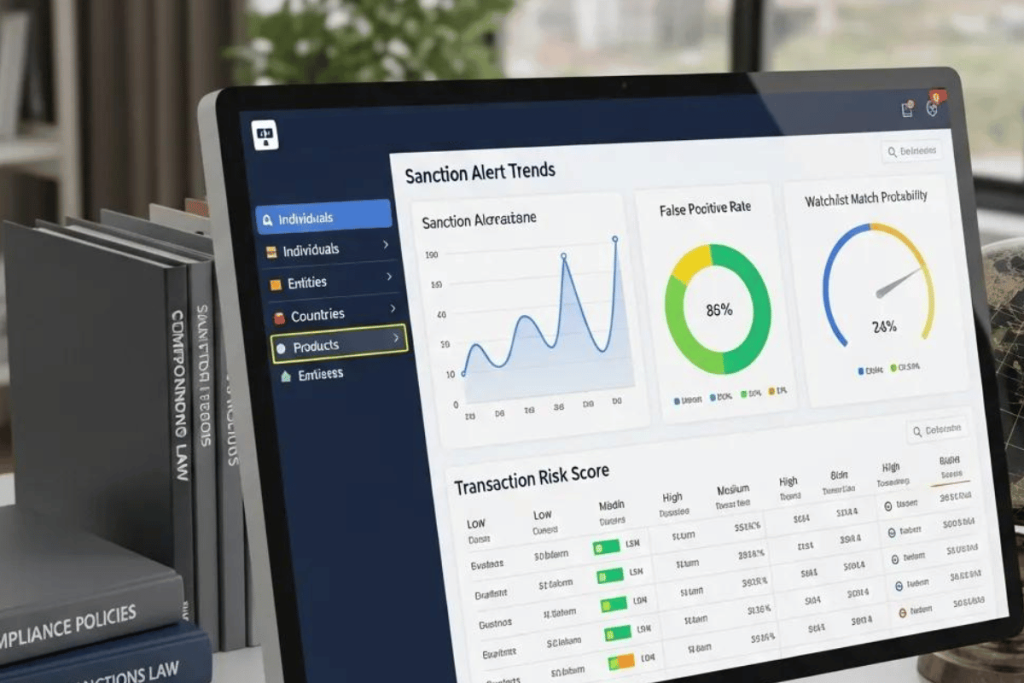
Implementing effective cross-border due diligence is essential for compliance and risk mitigation. Firms should adopt comprehensive risk assessment procedures that include engaging local experts and continuous monitoring of regulatory changes. This proactive approach will help firms navigate the complexities of international trade and sanctions compliance.
This comprehensive approach to due diligence is further elaborated in foundational texts that guide global firms through the intricacies of international transactions.
Cross-Border Due Diligence for Global Deal Making implications for cross-border due diligence are the subject of the Appendix to this book. A second is the proliferation of intellectual property-driven transactions in fields like biotech, Due diligence for global deal making: the definitive guide to cross-border mergers and acquisitions, joint ventures, financings, and strategic alliances, 2010
What Are the Stepwise Procedures for Comprehensive Cross Border Due Diligence?
To ensure thorough cross-border due diligence, firms should follow these stepwise procedures:
- Consultation and Communication Assessment: Establish clear lines of communication with local experts to understand regional compliance requirements.
- Document Review and Compliance Checks: Conduct thorough reviews of all relevant documentation to ensure adherence to local and international regulations.
- Final Assessment and Reporting: Compile findings into a comprehensive report that outlines compliance status and any identified risks.
These steps will facilitate a structured approach to due diligence, enhancing overall compliance.
Which Digital Tools Enhance Sanctions Screening and Compliance Verification?
Digital tools play a crucial role in enhancing sanctions screening and compliance verification. Firms should consider utilizing the following tools:
- Digital Forensics Tools: These tools assist in uncovering hidden relationships and transactions that may pose compliance risks.
- Transactional Analysis Techniques: Implementing advanced analytics can help identify patterns indicative of potential sanctions violations.
- Online Privacy Consulting Services: Engaging with experts in online privacy can ensure that data handling practices comply with relevant regulations.
Leveraging these digital tools will improve the efficiency and effectiveness of compliance efforts.
What Are the Strategic Implications of Trade Restrictions on Global Risk Management Insurance?
Trade restrictions have profound implications for global risk management insurance. Firms must navigate the complexities of geopolitical landscapes and adapt to changing regulatory environments. Developing robust risk management strategies will be essential for maintaining operational resilience in the face of these challenges.
How Do Trade Embargoes and Export Controls Influence Insurance Producer Marketplaces?
Trade embargoes and export controls significantly influence insurance producer marketplaces by imposing restrictions on engagement with certain markets. This can lead to limitations on the availability of forensic tools and challenges in accessing critical evidence. Understanding these dynamics is essential for firms to adapt their strategies accordingly.
What Risk Mitigation Strategies Should Insurance Underwriters Adopt in 2026?
In 2026, insurance underwriters should adopt the following risk mitigation strategies:
- Enhance Cybersecurity Measures: Strengthening cybersecurity protocols will protect sensitive data and ensure compliance with regulations.
- Regularly Review Governance Frameworks: Continuous assessment of governance frameworks will help identify potential compliance gaps.
- Establish Real-Time Threat Monitoring: Implementing real-time monitoring systems will enable firms to respond swiftly to emerging risks.
These strategies will enhance the resilience of insurance underwriting practices in a rapidly changing environment.
How Can Global Firms Leverage Integrated Compliance Platforms for Regulatory Adherence?
Integrated compliance platforms offer significant advantages for regulatory adherence. By utilizing these platforms, firms can streamline compliance processes and enhance data integrity. This approach not only improves efficiency but also supports better decision-making in compliance matters.
What Are the Benefits of Using Online Insurance Marketplaces for Sanctions Compliance?
Online insurance marketplaces provide several benefits for sanctions compliance:
- Streamlined Compliance Processes: These platforms facilitate easier access to compliance resources and tools.
- Enhanced Data Integrity: Utilizing integrated systems ensures that data remains accurate and up-to-date.
- Faster Policy Issuance: The efficiency of online platforms allows for quicker turnaround times in policy issuance.
These advantages make online marketplaces a valuable resource for firms seeking to enhance their compliance efforts.
How Do Real-Time Sanctions Screening Tools Improve Cross Border Risk Management?
Real-time sanctions screening tools significantly improve cross-border risk management by enabling early identification of risks. These tools enhance compliance by providing up-to-date information on sanctions and trade restrictions. Informed decision-making becomes possible, allowing firms to navigate complex regulatory landscapes effectively.
In line with these advancements, contemporary studies highlight the critical role of digital strategies, including AI-assisted screening, in bolstering sanctions compliance for financial institutions.
Sanctions Compliance Strategies for Financial Institutions in the Digital Age US sanctions regimes: enhanced AI-assisted screening, standardized KYC/Travel Rule compliance for digital and institutions in strengthening sanctions compliance for the digital age. Sanctions Compliance in the Digital Age: Strategies for Financial Institutions, 2025
| Strategy | Mechanism | Benefit | Impact Level |
|---|---|---|---|
| Comprehensive Risk Assessment | Engaging local experts | Improved compliance accuracy | High |
| Continuous Monitoring | Utilizing digital tools | Enhanced risk detection | High |
| Integrated Compliance Platforms | Streamlined processes | Faster response to regulatory changes | Medium |