
As Spring Break approaches in March 2026, property owners and hospitality executives in South Florida must prepare for the unique risks associated with this high-traffic season. The influx of tourists can lead to increased property damage and liability claims, making it essential to understand the specific risks and implement effective risk management strategies. This article will explore the key property liability risks during Spring Break, effective risk management practices, the benefits of using online insurance quoting platforms, and essential property liability insurance products for the upcoming events.
By addressing these areas, stakeholders can better protect their assets and ensure a safe environment for guests.
What Are the Key Property Liability Risks for South Florida During Spring Break 2026?
During Spring Break, South Florida experiences a surge in visitors, which significantly heightens property liability risks. The combination of large crowds, alcohol consumption, and high-energy activities often leads to increased incidents of property damage and liability claims. Understanding these risks is crucial for property owners and hospitality executives to mitigate potential losses.
This is particularly relevant given Florida’s established premises liability standards, which outline the duty of care property owners owe to visitors.
Florida Premises Liability Standards for Property Owners
In summary, Florida’s premises liability standards are as follows: one who controls property owes a duty of reasonable care to invitees and licensees by invitation to keep the property in a reasonably safe condition and to warn of concealed dangers of which the owner is or should be aware.
POST HURRICANE LITIGATION: Private Liability Under Florida Law for Personal Injury, Loss of Life and Property Damage Resulting From Major Coastal Storms, 1988
How Does Spring Break Increase Property Damage and Liability Claims?

The correlation between Spring Break activities and increased claims is evident through various statistics. Historically, property damage claims rise by approximately 30% during this period, with common incidents including vandalism, accidents, and injuries. High occupancy rates in hotels and rental properties further exacerbate these risks, as more guests can lead to more potential incidents. Additionally, the festive atmosphere often results in reckless behavior, increasing the likelihood of liability claims.
Which South Florida Locations Face the Highest Risk Exposure?
Certain areas in South Florida are particularly vulnerable during Spring Break. Locations such as Miami Beach, Fort Lauderdale, and Key West are hotspots for tourists, leading to heightened risk exposure. Factors contributing to this risk include the concentration of nightlife venues, beach access, and large public gatherings. Historical data indicates that these areas see a significant uptick in claims, making it essential for property owners to implement robust risk management strategies.
How Can Hospitality Executives Implement Effective Risk Management Strategies?
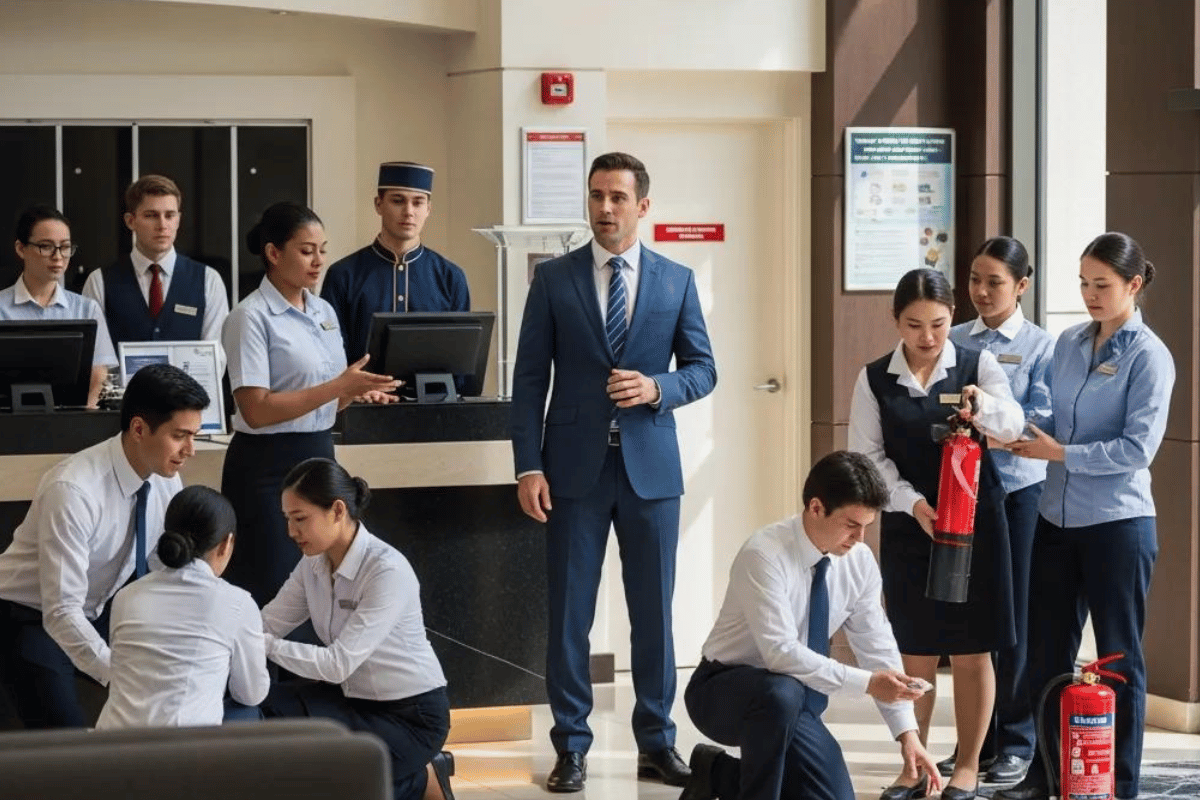
To effectively manage risks during Spring Break, hospitality executives should adopt a holistic approach to enterprise risk management. This includes developing comprehensive crisis management plans, conducting regular safety drills, and ensuring that staff are trained in emergency protocols.
This holistic approach to enterprise risk management is increasingly vital in the hospitality sector, as highlighted by recent studies emphasizing senior management’s engagement in risk oversight.
Risk Management Strategies in the Hospitality Sector
The study highlights the growing need for risk management and enterprise risk management (ERM) within the hospitality sector, emphasizing the importance for senior management to become more engaged in risk oversight. The implementation of ERM is about taking a holistic approach to identify, assess, and mitigate risks.
The emerging importance of risk management and enterprise risk management strategies in the hospitality industry: Senior managements’ perspective, M Vij, 2019
What Are Proven Risk Mitigation Practices for High-Occupancy Events?
Proven practices for managing risks during high-occupancy events include:
- Crisis Management Plans: Establish clear protocols for handling emergencies, including evacuation procedures and communication strategies.
- Regular Safety Drills: Conduct drills to ensure staff are prepared for various scenarios, enhancing overall safety.
- Incident Reporting Systems: Implement systems for documenting and addressing incidents promptly, which can help mitigate liability.
How Do Private Investigation Services Support Hospitality Risk Assessment?
Private investigation services play a crucial role in supporting hospitality risk assessments. These services can provide:
- Background Checks: Conduct thorough checks on employees and partners to ensure trustworthiness.
- Fraud Detection: Identify potential fraudulent activities that could lead to liability claims.
- Compliance Support: Ensure that the establishment adheres to legal requirements, reducing the risk of lawsuits.
What Are the Benefits of Using an Online Insurance Quoting Platform in Florida?
Utilizing an online insurance quoting platform can significantly streamline the process of obtaining property liability insurance. These platforms offer several advantages, including a more efficient quoting process, increased autonomy for insurance producers, and quicker binding of policies.
What Features Enhance Insurance Producer Autonomy and Efficiency?
Underwriters marketplace includes several features that empower insurance producers:
- Self-Service Quoting Tools: Producers can generate quotes independently, reducing reliance on intermediaries.
- Real-Time Updates: Access to real-time information ensures that producers are always informed about policy changes and market conditions.
- Comprehensive Resource Library: A wealth of resources is available to assist producers in making informed decisions.
Which Property Liability Insurance Products Are Essential for March 2026 Events?
As Spring Break approaches, property owners must consider specific insurance products to protect against potential liabilities. Essential coverage options include general liability insurance, property damage coverage, and event cancellation insurance.
What Coverage Limits and Exclusions Should Property Owners Consider?
When selecting insurance products, property owners should carefully evaluate coverage limits and exclusions. Key considerations include:
- Understanding Coverage Limits: Ensure that the policy provides adequate coverage for potential claims, particularly in high-risk areas.
- Identifying Exclusions: Be aware of any exclusions that may limit coverage during Spring Break events, such as damage caused by intoxicated guests.
- Importance of Risk Mitigation: Implementing risk mitigation strategies can help lower premiums and enhance coverage options.
How Do Insurance Products Address Event-Specific Liability Concerns?
Insurance products tailored for specific events can effectively address unique liability concerns. For instance, comprehensive risk assessments can identify potential hazards associated with large gatherings, allowing property owners to implement targeted security strategies. Additionally, emergency preparedness measures can be included in policies to ensure that property owners are equipped to handle unforeseen incidents.
| Insurance Product | Coverage Type | Key Features |
|---|---|---|
| General Liability Insurance | Bodily Injury, Property Damage | Protects against claims from injuries or damages occurring on the property |
| Event Cancellation Insurance | Financial Loss | Covers losses due to event cancellations caused by unforeseen circumstances |
| Property Damage Coverage | Physical Damage | Protects against damages to the property caused by guests or external factors |
This table illustrates the essential insurance products that property owners should consider for March 2026 events, highlighting their key features and coverage types. By understanding these options, property owners can make informed decisions to safeguard their investments during the busy Spring Break season.