
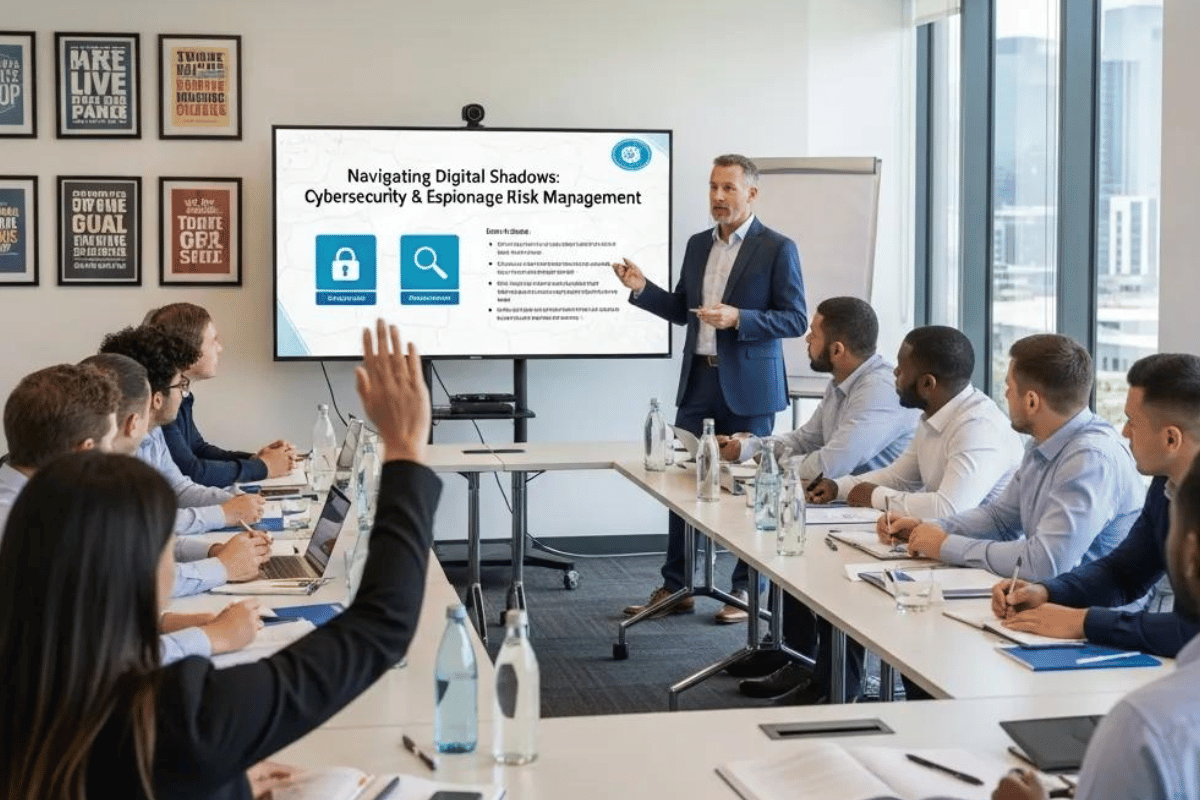
As global tensions intensify, corporations are no longer facing isolated cyber threats, they are confronting a new reality where digital attacks can trigger real-world consequences. This shift, known as cyber-physical convergence, is redefining risk in 2026.
From infrastructure disruptions to corporate espionage, modern threats are more coordinated, more covert, and far more damaging. Nation-state actors and sophisticated threat groups are increasingly targeting private organizations, not just governments, making corporate security a strategic priority at the executive level.
To stay ahead, businesses must move beyond traditional cybersecurity and adopt a more comprehensive approach—one that integrates intelligence gathering, investigative due diligence, and proactive risk mitigation.
What Are the Emerging Nation-State Cyber Attack Trends in 2026?
In 2026, nation-state cyber attacks are becoming more advanced, targeted, and persistent. These threats are no longer opportunistic—they are strategic, often aimed at disrupting operations, extracting sensitive data, or gaining geopolitical leverage.
Key trends include:
- Increased ransomware attacks targeting critical infrastructure
- Exploitation of IoT vulnerabilities
- Advanced persistent threats (APTs) embedded within corporate systems
- Coordinated attacks combining cyber intrusion with physical disruption
These evolving threats highlight the need for proactive investigative support and intelligence-driven security strategies.
How Does Global Conflict Intensify Nation-State Cyber Threats?
Global conflict has transformed cyberspace into a battlefield. Nation-states now use cyber attacks to destabilize economies, disrupt supply chains, and undermine corporate operations.
Recent incidents involving energy grids and financial systems demonstrate how geopolitical tensions directly impact private-sector organizations. For executives, this means that cybersecurity is no longer just an IT issue—it is a core business risk that requires executive-level oversight and strategic response.
Which Cyber Attack Vectors Target Industrial Control Systems?
Industrial Control Systems (ICS) are prime targets due to their direct link to physical operations. Common attack vectors include:
- Phishing campaigns targeting employees
- Exploitation of unpatched system vulnerabilities
- Insider threats and credential misuse
- Remote access compromise
When these systems are breached, the consequences extend beyond data loss—resulting in operational shutdowns, safety hazards, and financial damage.
How Is Cyber-Physical Convergence Elevating Corporate Risk Profiles?
Cyber-physical convergence introduces a new layer of complexity where digital breaches can lead to physical consequences. Organizations must now consider how cyber incidents can impact:
- Equipment and infrastructure
- Employee safety
- Business continuity
- Supply chain operations
This convergence significantly increases exposure, requiring organizations to adopt a more integrated and investigative approach to risk management.
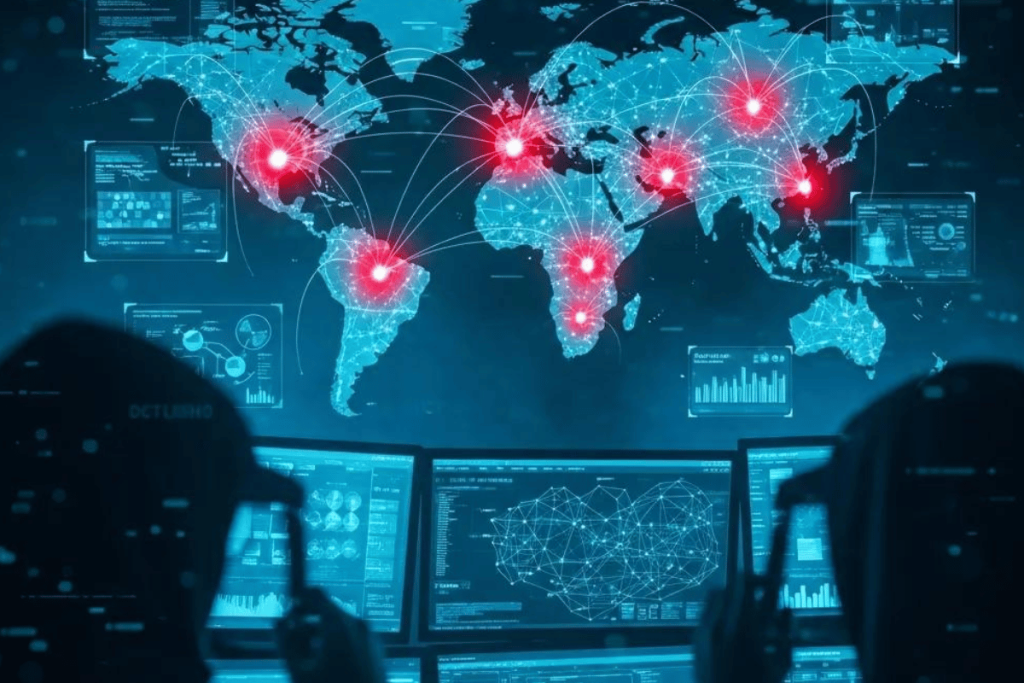
What Are the Key Risks from Cyber-Physical Security Breaches?
The risks associated with cyber-physical breaches are extensive:
- Damage to Critical Infrastructure: Disruption of essential services
- Economic Impact: Financial losses from downtime and recovery
- Reputational Damage: Loss of trust among clients and stakeholders
These risks often go undetected until after significant damage has occurred—making early detection through professional investigation services critical.
How Does Corporate Espionage Exploit Cyber-Physical Vulnerabilities?
Corporate espionage thrives in environments where cyber and physical systems intersect. Attackers use tactics such as:
- Social engineering to gain insider access
- Surveillance and intelligence gathering
- Exploiting weak internal controls
The result is often the theft of intellectual property, sensitive data, or strategic business information.
Addressing these threats requires specialized expertise in corporate investigation services, capable of uncovering hidden actors, tracing activities, and protecting critical assets.
What Are Effective Espionage Risk Management Strategies for 2026?
To mitigate espionage risks, organizations must implement a layered and intelligence-driven approach:
- Integrating cyber and physical security strategies
- Conducting regular risk assessments and investigations
- Establishing clear incident response protocols
- Leveraging external expertise for independent verification
This approach ensures that risks are identified early and addressed before they escalate.
Which Best Practices Mitigate Corporate Espionage in Cyber-Physical Contexts?
Effective mitigation strategies include:
- Regular Employee Training: Enhancing awareness of evolving threats
- Incident Response Planning: Preparing teams for rapid action
- Access Controls: Restricting sensitive data to authorized personnel
- Independent Investigations: Validating internal findings and uncovering hidden risks
Organizations that incorporate professional investigation services into these practices gain a significant advantage in identifying and neutralizing threats.
How Can Insurance Policies Support Espionage Risk Management?
Insurance can provide financial protection against losses resulting from cyber incidents and espionage. However, policies are only one component of a broader risk management strategy.
Insurers increasingly require organizations to demonstrate strong security and investigative practices—reinforcing the importance of proactive risk identification and mitigation.
How Can Businesses Strengthen Cyber-Physical Risk Resilience in 2026?
To effectively manage evolving threats, organizations should:
- Conduct ongoing risk assessments
- Monitor systems for anomalies and suspicious behavior
- Perform periodic investigative audits
- Engage external experts for threat analysis and verification
These steps help create a resilient security framework capable of adapting to emerging risks.
How Global Intelligence Consultants, Inc. Supports Cyber & Corporate Risk Investigations
In a landscape shaped by cyber-physical convergence and global conflict, organizations need more than standard security measures—they need actionable intelligence.
Global Intelligence Consultants, Inc. (GIC) provides specialized investigative solutions that help businesses:
- Identify and mitigate cyber-related fraud and espionage risks
- Conduct in-depth background and corporate investigations
- Uncover hidden threats and vulnerabilities
- Support legal, compliance, and risk management teams with verified intelligence
Through expert investigation services and advanced corporate investigation services, GIC empowers organizations to make informed decisions and protect their operations from evolving threats.
If your organization is navigating complex cyber or corporate risks, connect with GIC by requesting a consultation to learn how investigative intelligence can strengthen your security strategy.