
Digital records can help establish what happened in a dispute, but their value depends on how they are identified, preserved, and interpreted. For St. Louis law firms and businesses, digital forensics connects relevant information from computers, smartphones, and other sources with the questions a case needs to answer.
Global Intelligence Consultants (GIC Agency), based in Clayton, Missouri, provides computer and smartphone forensic services, including digital analysis, data extraction, and testimony support. A focused engagement helps clients determine which sources require examination and what findings counsel needs for legal review.
Preservation is an important part of that work. Documented handling, appropriate acquisition methods, and clear reporting help others evaluate the evidence. They support the legal process, but they do not automatically guarantee admissibility or a particular case outcome.
Key Takeaways
- Define the relevant questions, potential evidence sources, and requested work product as early as practicable.
- Coordinate urgent preservation with counsel and technical personnel rather than wait for every aspect of the investigation to be finalized.
- Evidence may exist across business systems, email, computers, mobile devices, cloud services, and backups.
- Chain-of-custody records and documented acquisition methods help establish how evidence was handled.
- Deleted-data recovery and access to encrypted information depend on technical conditions and cannot be guaranteed.
- Counsel and the court assess admissibility. A forensic report should explain its methods, findings, and limitations without promising a legal result.
Why Is Digital Evidence Preservation Important in St. Louis Litigation?
Digital information can change through ordinary activity. Files may be overwritten, accounts closed, logs allowed to expire, or devices reset and reassigned. When relevant information is lost, investigators may have fewer ways to reconstruct events or test competing explanations.
Preservation helps retain potentially relevant records while counsel assesses the dispute and applicable obligations. The appropriate measures depend on the systems involved, the information at risk, and the circumstances of the matter.
A missing record does not automatically establish spoliation or decide the case. However, unexplained loss or inadequate handling can create factual and legal questions that are harder to resolve later.
What Is the First Step in a Digital Forensics Investigation?
Begin by identifying the concern, the people and events involved, and the records that may help answer the relevant questions. The initial scope should also address authorization, deadlines, and the type of reporting required.
For a St. Louis law firm or business, that discussion may involve an employee departure, disputed communications, suspected unauthorized access, or a broader civil investigation.
Scoping should guide the work, but it should not delay necessary preservation when information is at immediate risk. Counsel, IT personnel, and the examiner should coordinate an appropriate response while the scope is refined.
How Does Preservation Relate to Admissibility?
Preservation and documentation help support an explanation of where information came from and how it was handled. They can assist counsel in addressing authenticity, integrity, and reliability.
Those issues are not the only considerations affecting admissibility. Relevance, hearsay, expert qualifications, methodology, and other applicable rules may also matter.
A handling gap should therefore be assessed in context rather than described as automatic exclusion. Equally, a well-documented chain of custody does not guarantee that every finding will be admitted for every purpose.
Which Sources of Digital Evidence May Matter?
A case rarely points to the same evidence sources every time. The investigation should follow the people, events, and systems relevant to the matter rather than assume that one device contains the complete record.
For example, a disputed file transfer may require comparison of a computer’s activity with available cloud records and email communications. A message thread may need context from attachments, account records, or other participants.
- Business systems and email: Potentially relevant communications, attachments, timestamps, and retained access records.
- Computers and other endpoints: Local files, application artifacts, and possible indicators of copying, deletion, or device use.
- Smartphones and tablets: Available messages, call records, application data, and location-related artifacts where retained and accessible.
- Cloud services: Stored files, version histories, synchronized information, and available audit logs.
- Backups and removable media: Additional copies or historical information relevant to the investigation.
These are potential sources, not a promise that every category will be available. Retention settings, device configuration, encryption, permissions, and previous handling affect what can be examined.
Global Intelligence Consultants’ computer and smartphone forensic services include analysis of hardware, devices, and software, with data extraction and recovery efforts tailored to the available evidence.
Why Is It Important to Identify Sources Early?
Early source mapping helps the team decide where preservation efforts should be directed. It can also reveal information held by another department, service provider, or account that might otherwise be overlooked.
The process should remain proportionate. Identifying a possible source does not mean every record must be collected or every account can lawfully be accessed. Counsel and the examiner should determine the appropriate scope.
How Is Computer and Mobile Evidence Preserved?
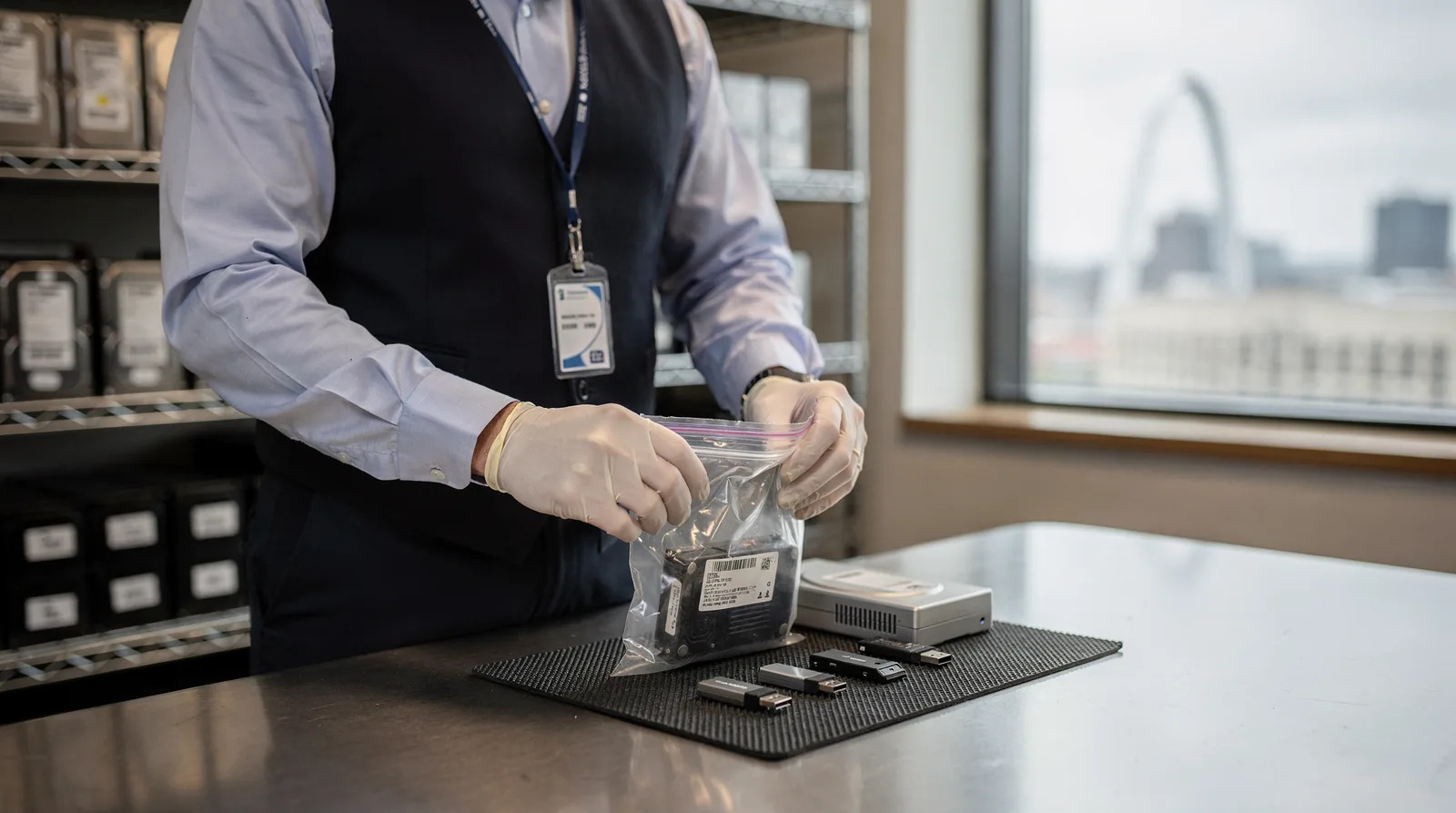
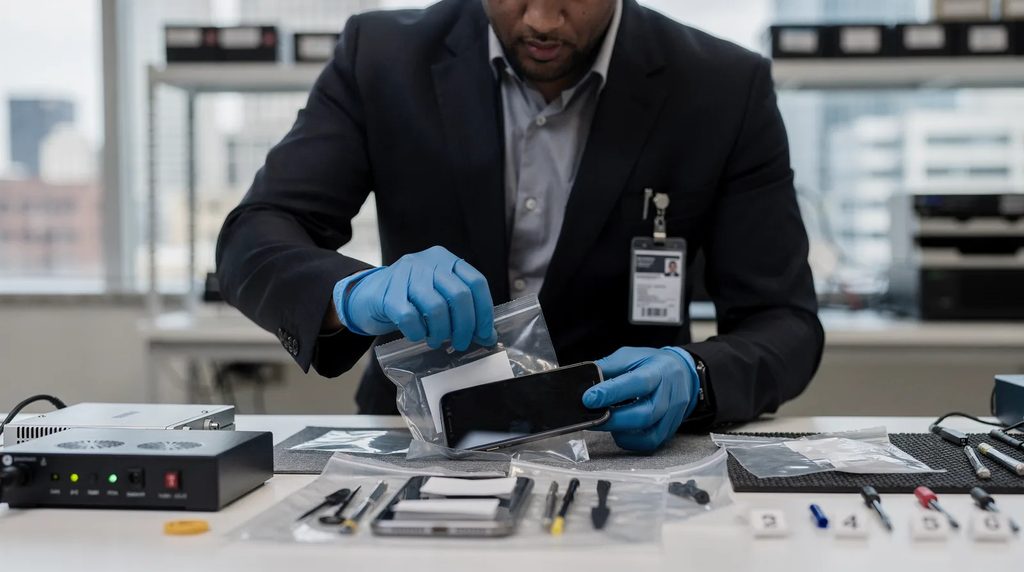
Preservation begins with appropriate handling of the source and documentation of the steps taken. Acquisition methods then depend on the device, system, technical conditions, and authorized objectives.
For some storage media, an examiner may create a forensic image. For a mobile device or cloud account, a different type of extraction or collection may be appropriate. A complete physical copy is not available or necessary in every engagement.
The examiner should explain the method used, the information acquired, and any limitations that affect interpretation.
What Should a Business Avoid Before Receiving Guidance?
Avoid casually browsing a relevant device, installing recovery software, resetting it, or deleting accounts that may contain evidence. Those actions can change the records available for examination.
There is no universal instruction to power every device on or off. The appropriate handling of a phone or computer depends on its state, security features, and the circumstances. Obtain examiner guidance rather than experiment with the source.
Where an active security incident requires containment, technical personnel should coordinate with counsel and forensic specialists so that protective action and evidence needs are considered together.
Why Does Chain-of-Custody Documentation Matter?
Chain-of-custody documentation records the handling and transfer of evidence. Relevant details may include who collected an item, when it was received, where it was held, and who accessed or transferred it.
This record helps others evaluate the handling process. It works alongside acquisition notes, technical checks, and examination records rather than replacing them.
Any uncertainty should be documented accurately. An examiner should not imply that custody was uninterrupted when the available records do not support that conclusion.
What Happens During Forensic Examination and Analysis?
After appropriate collection, the examiner evaluates relevant information against the agreed questions. This may involve reconstructing activity, examining available files or communications, and comparing timestamps or other artifacts across sources.
The analysis should distinguish what the data shows from what it merely suggests. A file-access record, for example, may establish an event without identifying the person’s intent or proving an allegation of theft.
Where the matter involves suspected unauthorized access, the team may examine available account activity and communications alongside other records. The necessary technical capabilities and incident-response responsibilities should be confirmed when the work is scoped.
Can Examiners Recover Deleted or Encrypted Data?
Sometimes, but recovery is not guaranteed. Results depend on the device, operating system, encryption, storage behavior, overwriting, available backups, and the methods supported by the examination tools.
Recovered material may also be incomplete or lack context. Examiners should explain those limitations and avoid presenting fragments as a complete conversation or definitive account of events.
GIC Agency uses specialized applications to extract data and attempt recovery of deleted, encrypted, or damaged files. The feasibility and likely limits should be discussed for the particular source.
What Should the Findings Explain?
A useful report should identify the questions addressed, sources examined, methods used, and material results. It should also explain gaps, unavailable information, and any limitations affecting the conclusions.
Counsel should be able to distinguish:
- Direct observations from interpretation.
- Recovered information from reconstructed context.
- Confirmed events from unresolved possibilities.
- Technical findings from legal conclusions.
When Should Counsel Involve a Digital Forensic Expert?
Early consultation is useful when a dispute depends on device activity, electronic communications, or technical questions about the origin and handling of records. The expert can help identify relevant sources and assess what examination is feasible.
Not every matter requires expert testimony. Some engagements focus on preservation or factual review, while others require technical findings to be explained in a deposition or at trial.
Global Intelligence Consultants works with clients and partner law firms on computer, tablet, and smartphone matters. Its published services include testimony support to explain forensic discoveries.
What Makes Expert Involvement Useful?
Counsel should assess whether the proposed expert’s experience and methods match the technical issues. The ability to communicate clearly is important, but it does not replace appropriate qualifications and a supported analysis.
An expert should be prepared to explain the tools used, significant limitations, and the basis for each conclusion. Neither a provider’s location nor the use of a particular tool guarantees that testimony will be admitted.
Which Matters May Benefit From Digital Forensics?
- Employment disputes involving relevant device or account activity.
- Business disputes concerning electronic documents or communications.
- Suspected unauthorized copying or access.
- Disputed message threads, attachments, or electronic timelines.
- Family law matters requiring examination of lawfully accessible digital information.
- Civil or criminal matters involving technical questions about computers or mobile devices.
When digital findings require broader factual context, GIC Agency’s civil investigation services can support case development, witness location, interviews, and evidence organization within an appropriately defined engagement.
How Can Early Preservation Reduce the Risk of Evidence Loss?
Early preservation can reduce avoidable loss from routine deletion, account changes, device reuse, or expiring logs. It also helps the team document the condition and availability of relevant sources closer to the events under review.
It cannot restore information that no longer exists or guarantee that no records will be lost. Counsel should assess preservation obligations, necessary instructions, and any legal implications of missing information.
A practical planning discussion should address:
- The events, people, and time period relevant to the matter.
- The devices, accounts, systems, and backups that may hold responsive information.
- Authority to collect and examine each source.
- Any immediate risk of deletion, overwriting, or loss of access.
- Coordination with IT personnel, service providers, and counsel.
- The collection approach, reporting needs, deadlines, and handling arrangements.
Access to a device does not necessarily authorize examination of every account or personal record it contains. The scope should account for privacy, confidentiality, and applicable legal restrictions.
What Should St. Louis Counsel Request From a Forensic Engagement?
The requested work product should match the legal team’s needs. An engagement may focus on preserving a source, examining a defined issue, preparing a chronology, or explaining findings for further legal review.
Depending on the agreed scope and capabilities required, counsel may request:
- A review of relevant computers or mobile devices.
- Documented acquisition of specified information.
- Analysis of available communications, file activity, or other artifacts.
- An explanation of potentially recoverable deleted information.
- A chronology tied to identified sources.
- A written explanation of methods, findings, and limitations.
- Testimony support where appropriate.
For cloud collection, remote work, on-site acquisition, or specialized incident analysis, confirm the particular requirements and available capabilities before proceeding.
Law firms and businesses can contact Global Intelligence Consultants to discuss a St. Louis digital forensics matter. Share the relevant questions, available sources, and deadlines so the proposed work can be assessed.
Frequently Asked Questions
Why Is Digital Evidence Preservation Important in Litigation?
Preservation helps retain potentially relevant information before routine activity or other changes make it unavailable. Documented handling also supports evaluation of the evidence’s origin, integrity, and reliability.
What Is the First Step in a Digital Forensics Investigation?
Identify the concern, relevant people and events, potential evidence sources, and required work product. Urgent preservation should be coordinated while the scope is developed rather than delayed unnecessarily.
Does Forensic Preservation Guarantee Admissibility?
No. Preservation supports the assessment of authenticity and integrity, but admissibility depends on applicable rules and the circumstances of the case. Counsel and the court evaluate those issues.
Should I Power Off or Search a Phone Before Submitting It?
Obtain examiner guidance before changing the device’s state or exploring its contents. The appropriate handling depends on the device and circumstances, and unnecessary interaction can affect available information.
Can Every Deleted Message or File Be Recovered?
No. Encryption, overwriting, device configuration, backups, and tool limitations affect recovery. An examiner should explain what was recovered and whether the result is incomplete.
Can Global Intelligence Consultants Explain Findings in Court?
GIC Agency’s published digital forensic services include testimony support to explain discoveries. Counsel should discuss the technical issues, proposed expert, and requirements of the particular proceeding.
How Global Intelligence Consultants Can Help With Digital Evidence in St. Louis
Digital evidence should be examined with a clear purpose and realistic expectations. Global Intelligence Consultants works with clients and legal teams to analyze relevant devices and explain findings in the context of the matter.
Through its computer and smartphone forensic services, GIC Agency can support:
- Analysis of relevant hardware, devices, and software.
- Data extraction using specialized applications.
- Recovery efforts involving deleted, encrypted, or damaged files, subject to technical limitations.
- Explanation of forensic findings for clients and partner law firms.
- Testimony support when appropriate to the engagement.
When the matter extends beyond technical examination, the firm’s civil investigation services and broader investigative capabilities can help develop relevant facts and organize supporting information.
If your St. Louis matter involves disputed communications, device activity, or records that may need prompt preservation, contact Global Intelligence Consultants for a confidential consultation. Discuss the evidence available, your questions, and any deadlines before making unnecessary changes to the sources involved.
This article provides general information, not legal advice or device-specific forensic instructions. Preservation obligations, examination authority, admissibility, and expert requirements should be assessed with qualified counsel and appropriate technical specialists.