

In an increasingly complex global landscape, the safety of C-suite executives during international travel remains a significant concern. With evolving geopolitical tensions, health crises, and cybersecurity threats, understanding the intricacies of executive protection is crucial.
This article delves into the critical aspects of executive protection in 2026, highlighting potential threats, protective strategies, and best practices for ensuring safety.
By navigating these complexities, organizations can enhance the security of their top executives, ensuring their well-being while conducting business abroad.
Potential Threats

As C-suite executives travel internationally, they face a range of threats that can compromise their safety and security. These threats are often multifaceted and include:
- Geopolitical Tensions: Increasing political instability in various regions can lead to heightened risks for travelers. Executives may find themselves in areas where protests, civil unrest, or terrorism are prevalent, necessitating preemptive measures to ensure their safety.
- Health Crises: The impact of global pandemics has underscored the importance of health precautions. In 2026, potential health risks, including infectious diseases, will require executives to remain vigilant about their health and the travel advisories issued for specific regions.
- Cybersecurity Risks: Digital threats pose a significant risk to corporate executives. With confidential information increasingly vulnerable during travel, the protection of data and secure communications are paramount components of an effective travel safety strategy.
The emphasis on digital threats aligns with current research on the competencies needed for aspiring C-suite executives in cybersecurity.
Cybersecurity Competencies for C-Suite Executive Protection
Information Technology (IT) and cybersecurity executives play a pivotal role in shaping the cybersecurity posture of an organization, thus their ability to make informed decisions, allocate resources, and communicate effectively with cybersecurity professionals is paramount. When declaring an organization’s cybersecurity posture is secure and has the strength to prevent, detect and respond to cyber threats, it requires the active involvement of decision makers at all levels.
IDENTIFYING TECHNOLOGY AND CYBERSECURITY COMPETENCIES FOR ASPIRING C-SUITE EXECUTIVES, 2026
Understanding these threats allows organizations to implement suitable executive protection strategies tailored to their specific needs.
Protective Strategies
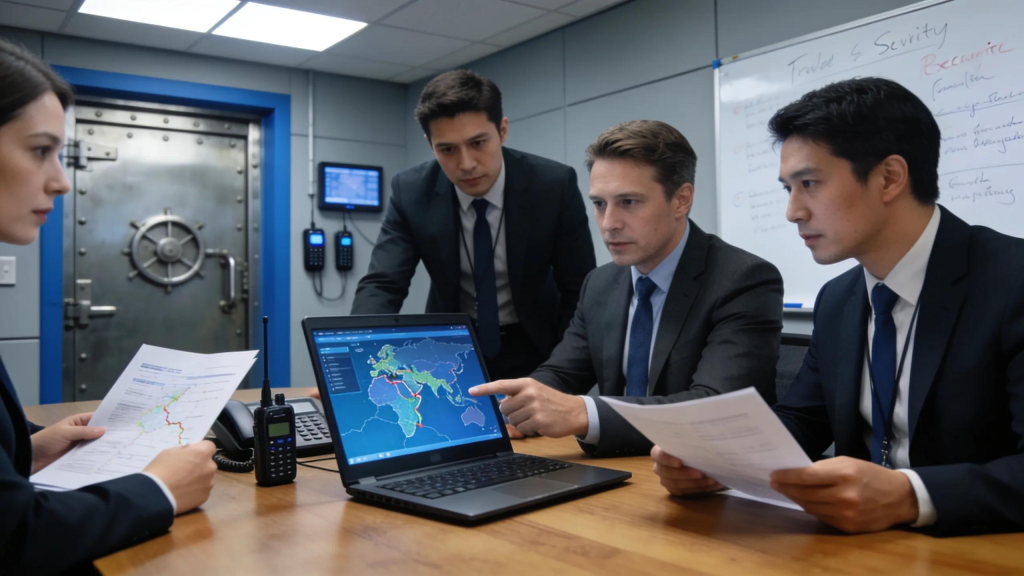
To mitigate the risks associated with international travel, companies must implement comprehensive protective strategies. These strategies include:
- Real-time Threat Assessments: Regularly monitoring the geopolitical landscape helps identify emerging threats. Using intelligence sources and analytics, organizations can adapt plans rapidly to ensure executive safety.
- Emergency Response Protocols: Establishing clear protocols allows for swift action in the face of unexpected incidents. Executives must know who to contact and what steps to take during emergencies, such as evacuations or medical incidents.
- Comprehensive Security Training: Empowering executives with knowledge about potential risks and appropriate responses can enhance their safety during travels. Regular training can cover topics such as situational awareness and self-defense.
- Integration with Corporate Security: Collaborating with corporate security teams ensures that the executive protection measures are aligned with the organization’s broader security policies. This unified approach fosters a comprehensive protection system.
Best Practices for Ensuring Safety
Implementing best practices is critical for the safety of executives during international travel. Here are some key practices that organizations should integrate:
- Continuous Monitoring of Travel Conditions: Keeping abreast of current events and travel advisories enables companies to make informed decisions about the safety of their executives. Access to reliable data ensures that timely adjustments can be made to travel plans.
- Crisis Communication Protocols: Effective communication is crucial in emergency situations. Establishing protocols that outline communication channels and responsibilities ensures that executives can reach help quickly when necessary.
- Training for Situational Awareness: Executives should be trained to recognize and respond to potential threats. Enhancing situational awareness leads to better decision-making in unfamiliar environments, ultimately contributing to their safety.
These evolving strategies underscore the need for a comprehensive, risk-based approach to cybersecurity in the travel sector.
Adopting a Risk-Based Cybersecurity Approach in Travel
As the travel and tourism sector is embracing emerging technologies to redefine products, services, and consumer experiences, their cyber ecosystems become increasingly vulnerable to security risks related with these technologies, the huge amount of financial transactions they carry out, and the valuable customer data they store.
Over the last few years, several high-profile organizations in the sector made negative headlines because they did not pay appropriate attention to these risks and took an approach to cybersecurity that was fragmented, technology-focused, and compliance-oriented. It is evident that a step change is needed, and this chapter presents a more comprehensive, business-driven, and risk-based approach to building cybersecurity capability in an organization.
The chapter starts with the business case for a cybersecurity strategy and then unfolds the components of a risk-based approach to cybersecurity.Cybersecurity in travel and tourism: a risk-based approach, A Paraskevas, 2022
Different protective strategies deliver distinct benefits through specific mechanisms.
| Strategy | Mechanism | Benefit |
|---|---|---|
| Real-time Threat Assessments | Constant monitoring | Adaptive responses to emergent risks |
| Emergency Response Protocols | Swift action plans | Minimized impact of incidents |
| Comprehensive Security Training | Knowledge and skills enhancement | Increased personal safety during travel |
This comparison highlights how various protective strategies work synergistically to provide a robust security framework for executives.
What Are the Key International Travel Risks for C-Suite Executives in 2026?
Key international travel risks for C-suite executives in 2026 encompass a variety of challenges that can threaten their safety and security during business trips. These include geopolitical instability, heightened cyberattacks, and health crises such as infectious disease outbreaks.
How do cyber threats and health risks increase executive travel vulnerability?
Cyber threats and health risks significantly exacerbate the vulnerability of C-suite executives during travel. Cybersecurity breaches can expose sensitive corporate data, while health risks can lead to unanticipated emergencies, requiring robust contingency plans to address these vulnerabilities effectively.
How Does Executive Protection Services Enhance International Travel Security?
Executive protection services enhance international travel security by providing comprehensive assessments and tailored strategies that focus on mitigating risks. These services often include dedicated security personnel, logistical support, and coordination with local authorities to ensure executive safety.
What Are the 2026 Global Risk Assessment Insights for Effective C-Suite Security?
The 2026 Global Risk Assessment provides insights into emerging threats and changing risk landscapes, enabling organizations to proactively address potential challenges. Dubbed the “new normal,” this landscape requires continuous adaptation of security strategies to align with ever-evolving global dynamics.
Which regions present elevated risks requiring specialized executive protection?
Regions experiencing political instability and high crime rates typically present elevated risks that necessitate specialized executive protection. Areas with ongoing conflicts or significant civil unrest require additional precautions to ensure the safety of traveling executives.
How does real-time intelligence enhance executive safety during travel?
Real-time intelligence bolsters executive safety during travel by providing up-to-the-minute information on potential threats, allowing organizations to alter travel routes, secure accommodations, or delay travel if necessary. This proactive approach significantly enhances the ability to safeguard executives.
What Are Executive/UHNW Protection Case Scenarios?
Executive and ultra-high-net-worth (UHNW) protection case scenarios highlight the importance of tailored strategies to address specific vulnerabilities. These scenarios involve complex situations that demonstrate the need for meticulous planning, including how to handle kidnappings, medical emergencies, or data breaches effectively.
Global Intelligence Consultants specializes in comprehensive executive protection international programs, combining real-time threat intelligence with proven travel security services to keep your C-suite leadership safe across every jurisdiction.
Our tailored C-suite protection solutions are designed to anticipate risks, adapt to emerging threats, and provide seamless security coverage from departure to return. Request a discreet, personalized consultation today to learn how we can safeguard your executives.