

As international business travel continues to grow, executives face increasing risks associated with geopolitical tensions, health crises, and security threats. In 2026, understanding and managing these risks is crucial for organizations aiming to protect their assets and personnel. This article explores the landscape of executive travel risk, focusing on the specific challenges that arise during peak Q1 international activity. Readers will learn about the top geopolitical and security risks, effective corporate travel security protocols, health considerations, and the role of executive protection services. By addressing these areas, organizations can develop comprehensive strategies to mitigate risks and ensure safe travel for their executives.
What are the top geopolitical and security risks for executive travel in Q1 2026?
In 2026, executive travel is significantly impacted by various geopolitical and security risks that can disrupt business operations and endanger personnel. Understanding these risks is essential for effective travel risk management. Key factors include the persistence of geopolitical tensions, particularly in Eastern Europe and Southeast Asia, which can lead to increased travel risks for executives. Additionally, the need for real-time threat intelligence tools remains paramount in monitoring evolving security threats that could affect international business travel.
How do geopolitical tensions in Eastern Europe and Southeast Asia impact travel risk levels?
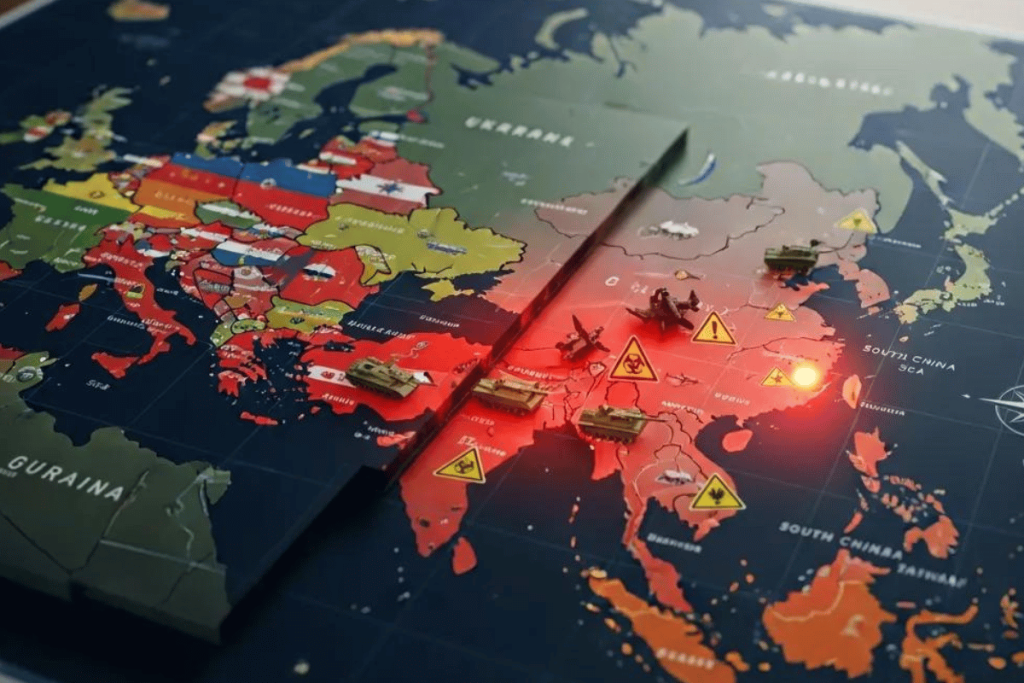
Geopolitical tensions in regions such as Eastern Europe and Southeast Asia have a profound impact on travel risk levels for executives. For instance, ongoing conflicts and military activities can create unstable environments, making travel to these areas hazardous. Historical data shows that regions experiencing heightened tensions often see a spike in incidents such as protests, civil unrest, and targeted attacks on foreign nationals. As a result, organizations must remain vigilant and assess the potential risks associated with travel to these regions, ensuring that executives are well-informed and prepared.
Further research underscores the critical need for robust strategies to manage geopolitical risks, especially in regions experiencing ongoing instability.
Managing Geopolitical Risks for Corporate Travel
The article examines the theoretical and practical aspects of managing geopolitical risks faced by enterprises in the tourism and hospitality industry in Ukraine. The risks have intensified due to ongoing political instability, armed conflict, and economic disruptions, posing significant challenges to the sustainable development of these sectors. The purpose of the present study is to identify effective strategies and tools for mitigating the impact of geopolitical risks on the functioning and development of enterprises in the tourism and hospitality industry.
MANAGEMENT OF GEOPOLITICAL RISKS OF ENTERPRISES IN THE TOURISM AND HOSPITALITY INDUSTRY IN UKRAINE, 2025
What real-time threat intelligence tools help monitor evolving security threats?
Real-time threat intelligence tools are essential for organizations to monitor and respond to evolving security threats. These tools provide timely information about potential risks, enabling companies to make informed decisions regarding travel plans. Some of the most effective tools include threat monitoring platforms that aggregate data from various sources, including social media, news outlets, and government advisories. By leveraging these tools, organizations can enhance their situational awareness and implement proactive measures to protect their executives during international travel.
How can corporate travel security protocols mitigate international executive risk effectively?
Implementing robust corporate travel security protocols is vital for mitigating international executive risk. These protocols should encompass a range of best practices designed to safeguard personnel and assets during travel. Organizations must prioritize the development of comprehensive security measures that address potential threats and ensure the safety of their executives.
What are the best practices for implementing corporate travel security measures?
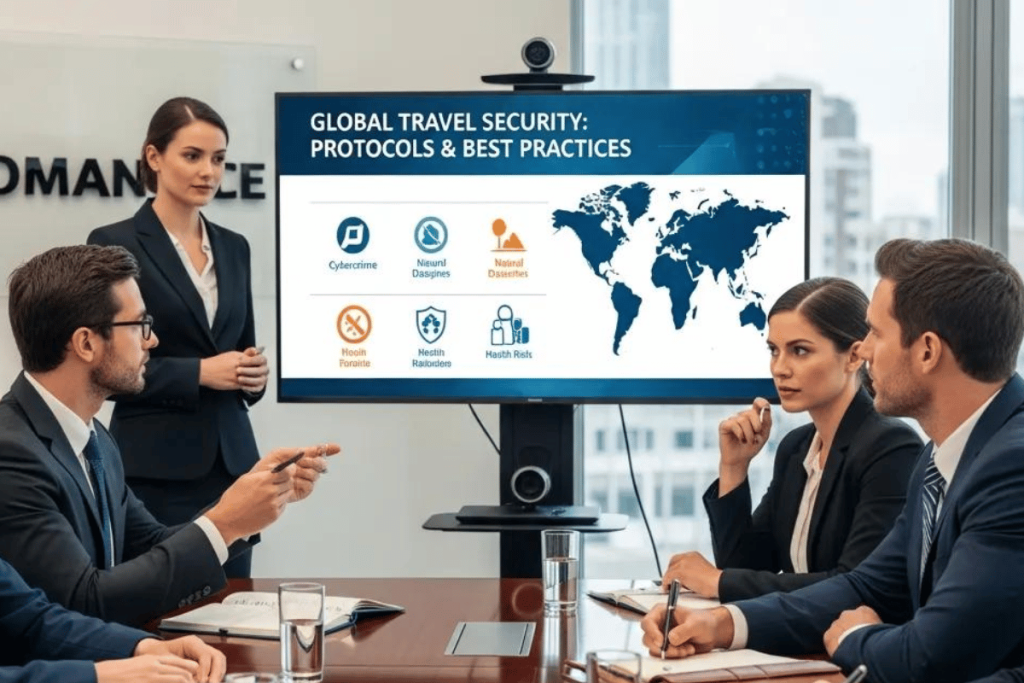
To effectively implement corporate travel security measures, organizations should consider the following best practices:
- Pre-Travel Risk Assessment: Conduct thorough assessments of travel destinations to identify potential risks and develop mitigation strategies.
- Travel Security Training: Provide executives with training on personal safety, situational awareness, and emergency response procedures.
- Emergency Response Plans: Establish clear protocols for responding to emergencies, including evacuation procedures and communication plans.
By following these best practices, organizations can significantly reduce the risks associated with international travel for their executives.
How do intelligence services support asset protection during business travel?
Intelligence services play a crucial role in supporting asset protection during business travel. These services provide organizations with valuable insights into potential threats, enabling them to make informed decisions about travel plans. For example, intelligence agencies and private intelligence providers can offer real-time updates on geopolitical developments, security incidents, and health risks in specific regions. By leveraging these insights, organizations can enhance their travel security protocols and ensure the safety of their executives while abroad.
The importance of comprehensive security mechanisms, including those supported by intelligence, is paramount in navigating modern geopolitical challenges.
Travel Security Mechanisms & Geopolitical Challenges rights of citizens to a safe environment for life and health during tourist trips, as well as liability of tour operators and travel agents, life and health insurance of staff, as well as cyber risks MECHANISMS OF SECURITY OF TOURIST TRAVEL IN UKRAINE IN THE CONDITION OF MODERN GEOPOLITICAL CHALLENGES, K Iryna
What health and pandemic considerations should executives address during Q1 2026 travel?
Health and pandemic considerations are increasingly important for executives traveling internationally. As the world continues to manage the ongoing presence of COVID-19 and other infectious diseases, understanding current health risks and implementing effective mitigation strategies is essential for safe travel.
Which health risks and pandemic trends are most relevant for international business travelers?
In 2026, several health risks and pandemic trends are particularly relevant for international business travelers. These include the potential resurgence of COVID-19 variants and the emergence of other infectious diseases such as influenza and monkeypox in some regions. Executives must stay informed about vaccination requirements, health advisories, and local healthcare capabilities in their travel destinations. By being aware of these factors, organizations can better prepare their executives for safe travel.
The broader implications of health crises on international travel are further explored through a geopolitical lens, highlighting how states implement restrictions.
Geopolitics of Health & Travel Restrictions travel restrictions by states also raise questions as to the politics of pandemics and how they fulfill the International Health Regulations. Framed from a geopolitical perspective, this COVID-19 and international travel restrictions: the geopolitics of health and tourism, S Seyfi, 2023
How can travel risk mitigation strategies incorporate health safety protocols?
Travel risk mitigation strategies should incorporate health safety protocols to protect executives during their travels. Key strategies include:
- Vaccination and Health Checks: Ensure that executives are up-to-date on recommended vaccinations and undergo health screenings before travel.
- Personal Protective Equipment (PPE): Provide executives with necessary PPE, such as masks and hand sanitizers, to minimize health risks during travel.
- Health Monitoring: Implement health monitoring protocols to track the well-being of executives while traveling, allowing for prompt action if health issues arise.
By integrating these health safety protocols into travel risk management strategies, organizations can enhance the safety of their executives during international travel.
What executive protection services enhance safety during peak international travel periods?
Executive protection services are essential for enhancing safety during peak international travel periods. These services provide a layer of security that helps mitigate risks associated with travel, ensuring that executives can focus on their business objectives without compromising their safety.
How do bespoke security consulting and executive protection integrate for high-net-worth individuals?
Bespoke security consulting and executive protection services are tailored to meet the unique needs of high-net-worth individuals. These services often include personalized risk assessments, security planning, and on-the-ground protection during travel. By integrating these services, organizations can provide comprehensive security solutions that address the specific risks faced by their executives, ensuring their safety and peace of mind.
What case studies demonstrate successful executive travel risk management?
Several case studies highlight the effectiveness of executive travel risk management strategies. For instance, a multinational corporation successfully navigated a crisis in a politically unstable region by implementing a robust travel security protocol that included real-time threat monitoring and on-the-ground security personnel. This proactive approach allowed the organization to protect its executives and maintain business continuity during a challenging period.
How do travel risk insurance options and post-travel risk debriefing support comprehensive risk management?
Travel risk insurance options and post-travel risk debriefing are critical components of a comprehensive risk management strategy. These elements help organizations manage potential financial losses and learn from travel experiences to improve future travel security protocols.
What insurance products best cover geopolitical and health risks for executives?
Organizations should consider various insurance products that provide coverage for geopolitical and health risks. Key options include:
- Travel Medical Insurance: Covers medical expenses incurred while traveling, including emergency medical evacuation.
- Trip Cancellation Insurance: Protects against financial losses due to trip cancellations caused by unforeseen events, such as political unrest or health emergencies.
- Kidnap and Ransom Insurance: Provides coverage in the event of kidnapping or extortion, ensuring that organizations can respond effectively to such incidents.
By selecting appropriate insurance products, organizations can safeguard their executives against potential risks during international travel.
Why is post-travel risk assessment critical for ongoing corporate travel security?
Post-travel risk assessment is essential for ongoing corporate travel security as it allows organizations to evaluate the effectiveness of their travel security protocols. By analyzing travel experiences, organizations can identify areas for improvement and adjust their strategies accordingly. This continuous feedback loop ensures that organizations remain proactive in managing travel risks and can adapt to the ever-changing landscape of international travel.
Different insurance products provide distinct coverage options for executives traveling internationally.
| Insurance Type | Coverage | Key Benefits |
|---|---|---|
| Travel Medical Insurance | Medical expenses, emergency evacuation | Ensures access to healthcare while abroad |
| Trip Cancellation Insurance | Financial losses from cancellations | Protects against unforeseen events |
| Kidnap and Ransom Insurance | Coverage for kidnapping incidents | Provides financial and logistical support |
This comparison highlights the importance of selecting the right insurance products to mitigate risks associated with international travel for executives.
To further enhance your corporate travel security, consider reaching out to GIC Agency for expert consulting and support. Their team can provide tailored solutions to address your specific needs and ensure the safety of your executives during international travel.