
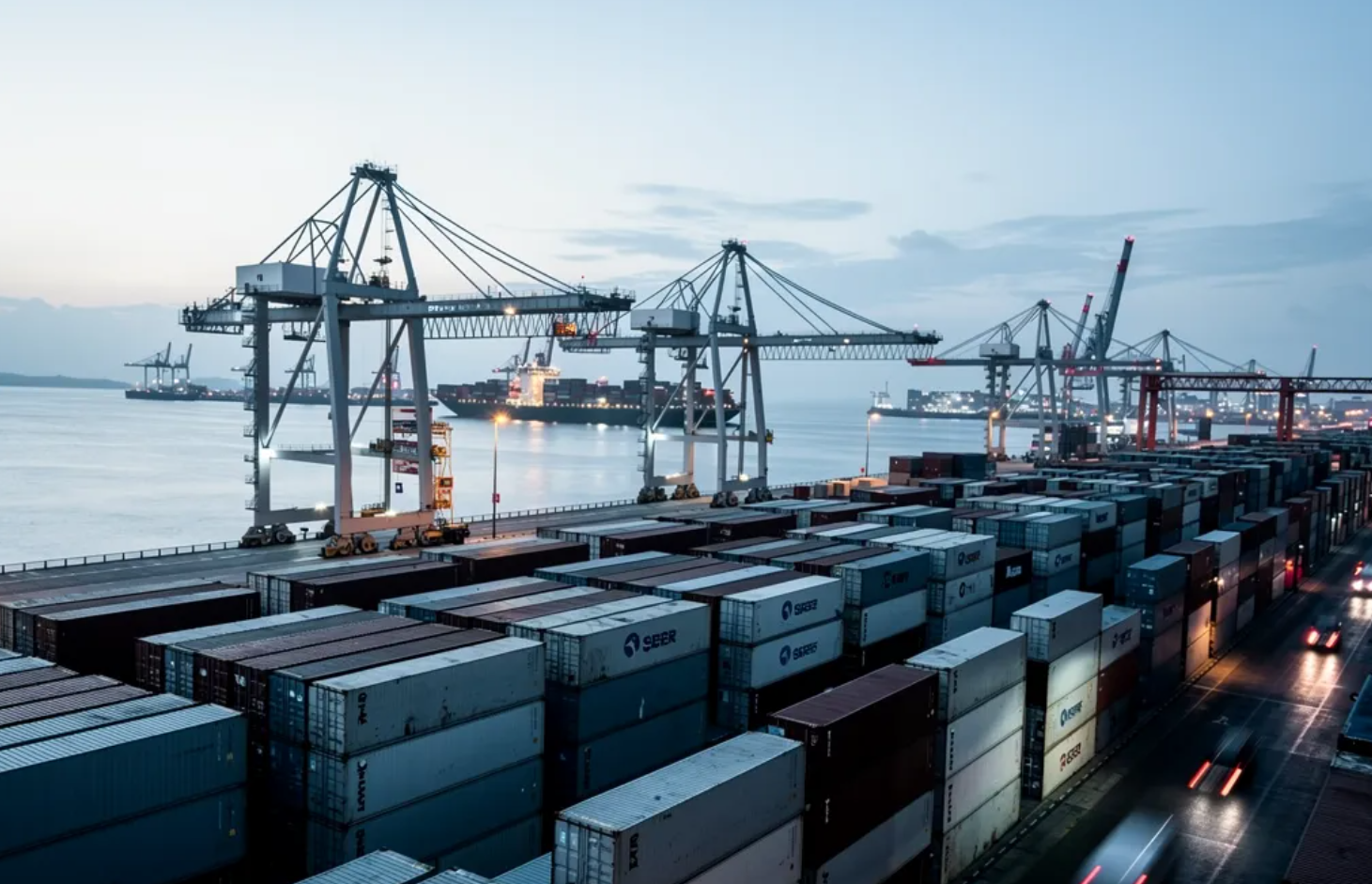
Foreign counterparty vetting requires businesses to verify a potential supplier’s legal registration, ownership structure, financial stability, sanctions exposure, and compliance history before a contract is executed.
Global Intelligence Consultants, based in Clayton, Missouri, conducts due diligence investigations designed to identify red flags such as sanctions exposure, litigation history, undisclosed ownership, and potentially fraudulent credentials.
For companies operating across international supply chains, a thorough review can help reduce disruption risk and protect corporate partnerships from unreliable or high-risk foreign suppliers. GIC investigates manufacturers, distributors, agents, and joint-venture partners through on-the-ground due diligence and intelligence gathering that goes beyond basic desk research.
Effective foreign supplier due diligence can reveal hidden liabilities, shell entities, ownership connections, and regulatory concerns that may not appear in a simple database search.
The goal is to help decision-makers understand who they are doing business with before funds, proprietary information, products, or contractual obligations are placed at risk.
Key Takeaways
- Global supply chains involve interconnected networks of manufacturers, distributors, logistics providers, agents, and subcontractors across multiple countries.
- Large companies may manage extensive third-party supplier networks, requiring consistent assessment of risk across numerous organizations and product lines.
- Supply chain risk management helps organizations identify, assess, and mitigate threats associated with global and distributed sourcing.
- Foreign counterparty due diligence can examine legal registration, beneficial ownership, financial stability, litigation history, compliance concerns, and sanctions exposure.
- Third-party risk management is most effective when it continues throughout the business relationship rather than ending after supplier onboarding.
Why Does Foreign Counterparty Risk Threaten Your Supply Chain?

Foreign counterparty risk can threaten a supply chain because international sourcing networks often contain challenges that domestic procurement does not.
Sanctions programs may change, ownership structures can obscure who truly controls a supplier, and layers of intermediaries can make it difficult to know who is ultimately involved in a transaction.
Companies sourcing internationally operate in a changing regulatory environment that requires careful coordination among procurement, legal, security, and compliance teams. Sanctions screening should extend beyond the named supplier to ownership and control relationships, as well as other parties involved in the transaction chain.
Supply chain complexity compounds the issue. Networks of manufacturers, distributors, brokers, freight providers, and subcontractors can shield individual suppliers from meaningful scrutiny. As a result, material risk may remain hidden across tiers that a procurement team does not directly audit.
What Risks Can Hide in Foreign Supplier Relationships?
International supplier relationships can involve a range of financial, legal, operational, and reputational risks. A risk-based due diligence process helps an organization identify the issues that require escalation, contractual safeguards, enhanced review, or a decision not to proceed.
Common risk areas include:
- Sanctioned or restricted parties operating through shell entities, affiliates, or indirect ownership structures.
- Undisclosed ownership or control ties to high-risk, hostile, or unstable jurisdictions.
- Regulatory violations, enforcement actions, or adverse media that may be difficult to detect across multiple supplier tiers.
- Politically exposed persons or other high-risk individuals embedded in a company’s ownership or leadership.
- Misrepresented credentials, questionable business registrations, or inconsistent operational claims.
- Financial instability that may create delivery, quality, continuity, or contractual-performance concerns.
- Data-security, trade-secret, corporate-espionage, or intellectual-property risks within a supplier relationship.
A global supply chain intelligence investigation, paired with disciplined foreign counterparty due diligence, can help close these gaps before contracts are signed. Global Intelligence Consultants provides international investigation services that support high-stakes cross-border decisions and help organizations evaluate risk before exposure becomes a crisis.
Applying global intelligence gathering to a compliance strategy allows corporations to respond to changing regulations and business conditions before regulators, litigation, supply interruptions, or public scrutiny force the issue.
How Should You Vet a Foreign Supplier or JV Partner?
Verification should happen before signature, not after. Discreet, thorough investigative work can confirm a foreign counterparty’s credentials and identify potential red flags before a deal closes, helping organizations protect their business interests throughout the transaction.
Skipping supplier due diligence can leave procurement leaders exposed to business partners whose ownership structures, legal histories, financial condition, or operational claims cannot withstand scrutiny. The most effective review begins with accurate identification of the business, including its legal name, registration number, trading names, related entities, and ownership structure.
Foreign counterparty due diligence requires analytical thinking and close attention to detail. Fragmented ownership records, shell-company arrangements, inconsistent filings, and misleading documentation may not reveal themselves through a simple online search. Building a complete picture often requires investigators trained to recognize discrepancies, validate records, and assess information across multiple sources.
What Does Foreign Supplier Vetting Involve?
Foreign supplier vetting often extends beyond a basic credential check. Depending on the risk profile, the review may examine whether a potential partner could expose proprietary data, trade secrets, product designs, customer information, or competitive positioning to compromise.
A risk-based approach is especially important for large, layered supplier networks. Connections to illegal, unethical, or otherwise undesirable practices can be difficult to identify when a network spans multiple tiers of suppliers and sub-suppliers.
A sound foreign counterparty vetting process may include:
- Verification of legal registration, operating status, physical presence, and stated business activities.
- Review of beneficial ownership, directors, officers, affiliates, subsidiaries, and controlling interests.
- Screening for sanctions, restricted-party concerns, regulatory actions, litigation history, and adverse media.
- Assessment of financial stability, operational capability, and whether reported business claims can be independently supported.
- Identification of credential discrepancies, shell-company indicators, or undisclosed relationships.
- Evaluation of potential espionage, data-exposure, intellectual-property, or trade-secret risks.
- Ongoing global supply chain intelligence investigation across relevant supplier tiers.
Global Intelligence Consultants can support these matters through its broader investigation services, helping organizations pursue appropriate due diligence before entering international business relationships.
Why Is Ongoing Monitoring Important?
Foreign counterparty risk does not end once a contract is signed. Ownership may change, financial conditions may deteriorate, sanctions lists may be updated, litigation may emerge, and new regulatory concerns may affect a supplier long after onboarding.
For that reason, ongoing monitoring can be as important as the initial vetting report. Continuous source review, structured online research, compliance screening, and intelligence gathering help organizations treat due diligence as an active process rather than a closed file.
Why Does Continuous Monitoring Matter More Than an Initial Report?
An initial report captures a fixed point in time, but risk does not remain fixed. A supplier that appeared suitable during onboarding may later develop new ownership connections, become involved in litigation, experience financial distress, or face sanctions-related exposure.
Screening programs should account for the named entity, beneficial owners, key leaders, related companies, and relevant transaction-chain participants. Ownership and control are particularly important because a company may not be listed directly but may be owned or controlled by a sanctioned party.
A structured global supply chain intelligence investigation can track meaningful changes throughout the relationship lifecycle and provide decision-makers with information needed to reassess, escalate, impose safeguards, or disengage when circumstances change.
Does Ongoing Oversight Offer More Than Loss Prevention?
Yes. Sustained monitoring can strengthen operational resilience and create a competitive advantage, not merely provide a defensive shield. Companies that maintain visibility into their supplier networks are better positioned to anticipate disruption and make timely decisions.
Ongoing oversight can help organizations:
- Detect emerging risks before they interrupt sourcing, logistics, production, or customer delivery.
- Respond more quickly to sanctions changes, regulatory developments, ownership changes, and geopolitical shifts.
- Maintain documented diligence that supports internal governance and compliance decision-making.
- Protect vendor, partner, and customer relationships through more informed risk management.
- Improve supply chain resilience by identifying alternative sourcing or mitigation needs earlier.
Foreign Counterparty Due Diligence FAQs
What does foreign counterparty vetting confirm before contracts finalize?
Foreign counterparty vetting may confirm a supplier’s legal registration, ownership structure, financial stability, sanctions exposure, litigation history, compliance record, and operational claims. Global Intelligence Consultants verifies relevant information through investigative due diligence that can go beyond desk research alone.
What risks can hide in foreign supplier relationships?
Foreign supplier relationships may involve sanctioned or restricted parties behind shell entities, undisclosed ownership ties, regulatory violations, financial instability, misrepresented credentials, politically exposed persons, and potential data or intellectual-property risks. These issues may be difficult to identify when they exist across multiple supplier tiers.
When should a company vet a foreign supplier or joint-venture partner?
Organizations should conduct appropriate vetting before signing a contract, issuing a purchase order, sharing sensitive information, or committing significant capital. Enhanced diligence may also be appropriate when a supplier operates in a higher-risk jurisdiction, has opaque ownership, is involved in a sensitive industry, or raises other compliance concerns.
Is sanctions screening enough for foreign supplier due diligence?
No. Sanctions screening is an important component, but it may not identify all relevant risk. A broader review can include beneficial ownership, legal registration, litigation, regulatory history, financial stability, operational verification, related entities, and adverse information. Screening the entire transaction chain can also be important when agents, distributors, banks, brokers, or other intermediaries are involved.
Build Foreign Partnerships on Facts
Foreign counterparty risk does not stay still, and the due diligence behind it should not remain static either. Global Intelligence Consultants helps corporations verify who they are doing business with, identify red flags before contracts close, and monitor for emerging risks throughout the life of a foreign business relationship.
Thorough foreign supplier vetting is an investment in supply chain resilience, corporate integrity, and better decision-making. By applying disciplined due diligence, organizations can reduce potential financial exposure, regulatory liability, operational disruption, and reputational harm associated with compromised partnerships.
If your organization needs to evaluate a foreign supplier, distributor, manufacturer, intermediary, or joint-venture partner, contact Global Intelligence Consultants to discuss your situation confidentially. GIC Agency can help your team build international partnerships on verified facts rather than assumptions.