

As global business operations expand, the importance of international travel security for executives has never been more critical. In 2026, executives from St. Louis and Clayton face unique challenges that require a comprehensive understanding of security measures, potential risks, and best practices.
This article aims to equip business leaders with essential knowledge to navigate the complexities of international travel safely. By addressing key security measures, potential risks, and best practices, we will provide a roadmap for executives to protect themselves and their organizations while traveling abroad.
Additionally, we will explore the rising international travel risk landscape and the specific reasons why executives in these regions are increasingly targeted.
Further research emphasizes the critical role of comprehensive risk management in business travel, highlighting key themes such as assessment and disclosure.
Executive Travel Risk Management & Global Best Practices
This thesis aims to shed light on the largely neglected topic of business travel risk management. While the extant literature has focused on global risks, risk management from the perspective of business travel has received less attention. This study identifies three main themes: travel risk assessment, travel risk disclosure, travel.
Contemporary methods in business travel risk management: A comparison of industry best practices, 2018
Key Security Measures for Safe International Travel in 2026:

To ensure safe international travel, executives must implement several key security measures. These measures are designed to mitigate risks and enhance overall safety during business trips.
- Pre-Travel Risk Assessment: Conducting a thorough risk assessment before travel helps identify potential threats and vulnerabilities in the destination country.
- Real-Time Threat Intelligence: Utilizing real-time intelligence services can provide updates on emerging threats, allowing executives to adjust their travel plans accordingly.
- Emergency Response Protocols: Establishing clear emergency response protocols ensures that executives know how to react in case of an incident.
Business Travel Risk Management: Employer Duty of Care
The extant research looks predominantly at travel risks and their assessment, but this paper focuses on business travel risk and explores it from an employer’s risk management perspective offering a BT risk assessment.
Duty of care for business travel: how do employers assess and manage business travel risk?, A Paraskevas, 2022
Potential Risks:
Executives traveling internationally face various risks that can jeopardize their safety and business operations. Understanding these risks is crucial for effective planning.
- Geopolitical Tensions: Political instability in certain regions can lead to sudden changes in safety conditions, making it essential for executives to stay informed.
- Health Crises: Outbreaks of diseases or health emergencies can disrupt travel plans and pose health risks to travelers.
- Physical Security Threats: Kidnapping, theft, and other physical threats are prevalent in many countries, necessitating robust security measures.
Best Practices:
To enhance safety during international travel, executives should adopt best practices that address potential risks effectively.
- Continuous Monitoring: Regularly monitoring the security situation in the destination country helps executives stay informed about any changes that may affect their safety.
- Crisis Communication Protocols: Establishing clear communication channels ensures that executives can quickly reach their teams or security personnel in case of an emergency.
- Vendor Screening: Conducting thorough background checks on local vendors and partners can help mitigate risks associated with unfamiliar environments.
The Rising International Travel Risk Landscape for Clayton and St. Louis Executives in 2026
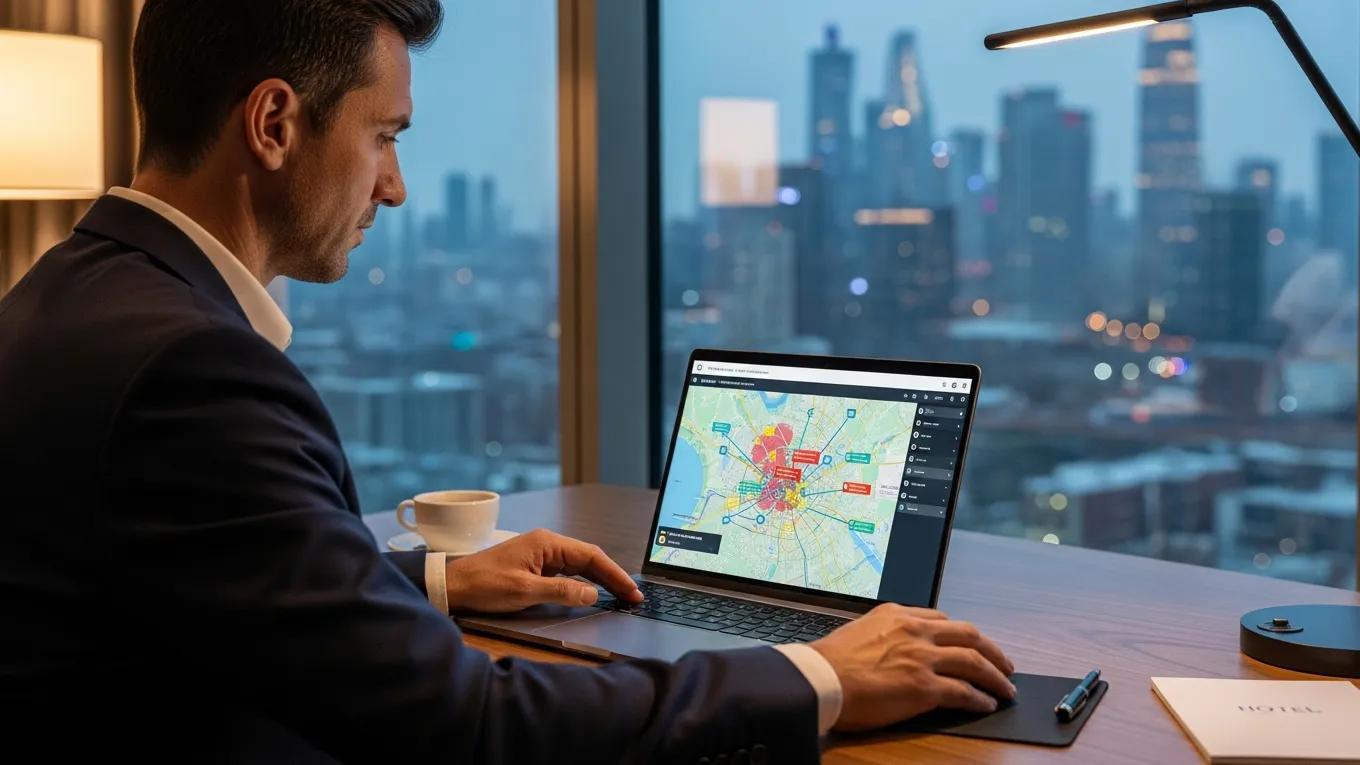
As the global landscape evolves, so do the risks associated with international travel. In 2026, executives from Clayton and St. Louis must navigate an increasingly complex risk environment.
Emerging threats, such as cyberattacks and geopolitical instability, are becoming more prevalent, making it essential for business leaders to stay informed and prepared.
Why St. Louis and Clayton Business Leaders Are Increasingly Targeted
Several factors contribute to the increased targeting of executives from St. Louis and Clayton.
- Increased Visibility: As businesses expand globally, executives often become more visible targets for criminal organizations.
- High-Value Targets: Executives typically possess valuable information and resources, making them attractive targets for kidnappers and thieves.
- Geopolitical Factors: The geopolitical landscape can create environments where executives are at greater risk, necessitating enhanced security measures.
What Executive Protection Services Actually Look Like in Practice
Executive protection services encompass a range of strategies designed to ensure the safety of business leaders during travel. These services typically include personal protection, corporate security solutions, and risk management strategies tailored to the specific needs of executives.
Pre-Travel Intelligence and Threat Assessment
Before embarking on international travel, executives should engage in comprehensive pre-travel intelligence and threat assessments. This process involves evaluating potential risks, engaging local experts, and utilizing real-time monitoring to stay informed about the security landscape.
On-the-Ground Protection: Secure Transport, Advance Work, and Emergency Response
On-the-ground protection is crucial for ensuring executive safety during travel. This includes secure transport arrangements, advance work to assess venues, and established emergency response protocols to address any incidents that may arise.
The Role of Private Investigation and Intelligence in Executive Travel Security
Private investigation and intelligence services play a vital role in enhancing executive travel security. These services provide risk assessments, real-time intelligence, and emergency response planning to ensure that executives are well-prepared for any situation.
Due Diligence on Foreign Partners, Venues, and Personnel
Conducting due diligence on foreign partners, venues, and personnel is essential for mitigating risks associated with international travel. This process involves background checks, identifying risk indicators, and ensuring confidentiality to protect sensitive information.
Digital Forensics, Surveillance Detection, and Counter-Intelligence Support
Digital forensics and surveillance detection are critical components of executive travel security. These services help identify potential cyber threats and ensure that executives’ communications remain secure during their travels.
In an increasingly digital world, addressing cybersecurity vulnerabilities is a critical component of executive travel security.
Cybersecurity Risks & Strategies for Executive Travel
As the travel and tourism sector is embracing emerging technologies to redefine products, services, and consumer experiences, their cyber ecosystems become increasingly vulnerable to security risks related with these technologies, the huge amount of financial transactions they carry out, and the valuable customer data they store. It is evident that a step change is needed, and this chapter presents a more comprehensive, business-driven, and risk-based approach to building cybersecurity capability in an organization.
Cybersecurity in travel and tourism: a risk-based approach, A Paraskevas, 2022
Choosing the Right Licensed Investigative Firm for Executive Protection in Missouri
When selecting an investigative firm for executive protection, it is essential to consider licensing and compliance, experience and reputation, and the range of services offered. A reputable firm will provide the necessary expertise to ensure executive safety.
What to Look for in a Clayton MO Private Investigator or Protection Firm
- Licensing Requirements: Ensure that the firm is properly licensed to operate in Missouri.
- Experience in Executive Protection: Look for firms with a proven track record in providing executive protection services.
- Confidentiality and Discretion: Choose a firm that prioritizes confidentiality and discretion in all operations.
Why Licensed, Bonded, and Insured Matters for Court-Ready Protection and Intelligence
In high-stakes environments, credentials are more than formalities—they are safeguards. A licensed, bonded, and insured firm ensures that every investigation, protective operation, and intelligence effort is conducted within legal standards and produces defensible, court-ready results.
For attorneys, corporate leaders, and family offices, this translates into reliable evidence, professional accountability, and reduced risk exposure when it matters most.
Secure Executive Travel Begins with Intelligence and Preparation
Protecting executives abroad requires more than logistics—it demands proactive intelligence, threat assessment, and experienced personnel on the ground. Global Intelligence Consultants, Inc. delivers integrated executive protection, travel security, and international investigative support, backed by former law enforcement and federal professionals with global reach.
From advance planning to in-country protection, GIC provides discreet, tailored solutions designed for complex and time-sensitive environments.
Contact our team today for a confidential consultation to develop a security and intelligence strategy aligned with your operational risk.