
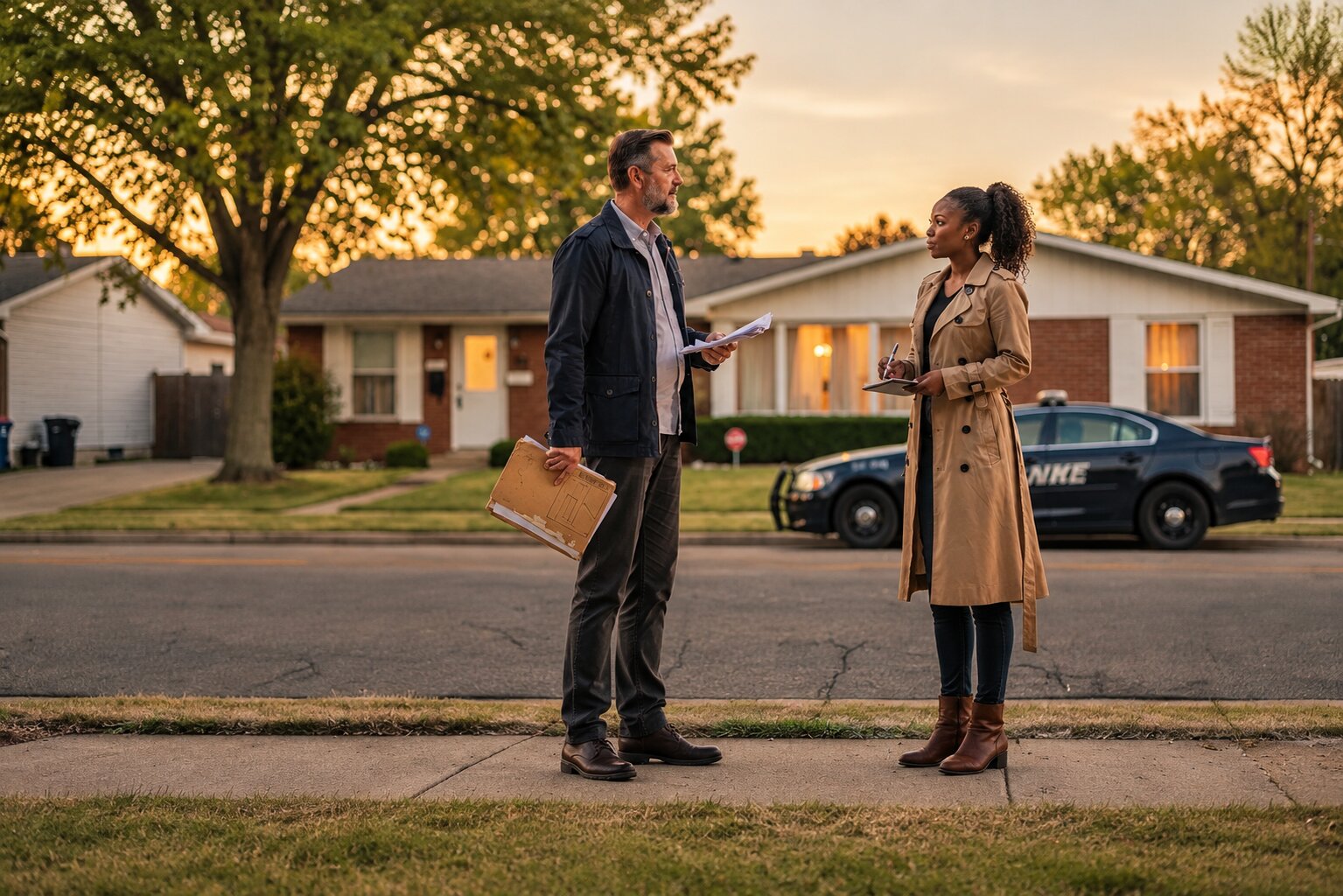
A key witness has moved, a former employee’s telephone number no longer works, or a defendant cannot be found at the last known address. For Missouri legal teams, outdated contact information can complicate interviews, deposition planning, and service of legal documents.
Skip tracing helps investigators develop and verify location information through records research, source comparison, and appropriate fieldwork. The objective is to distinguish reliable leads from stale addresses, mistaken identities, and unsupported assumptions.
Global Intelligence Consultants (GIC Agency), based in Clayton, Missouri, provides witness-location and skip-tracing support for attorneys and legal teams. Its work combines lawful research, verification, and documented reporting tailored to the matter and counsel’s objectives.
Key Takeaways
- Skip tracing helps locate witnesses, defendants, former employees, and other relevant individuals when ordinary contact information is incomplete or outdated.
- A person who is difficult to reach is not necessarily avoiding service or refusing to participate.
- Database results are leads that may require identity checks, corroboration, or field verification.
- Access to nonpublic information requires a lawful basis. A private investigator does not have unrestricted access to protected records.
- Witness location and service of process are separate tasks with different requirements.
- A clear report should distinguish confirmed information, probable locations, and unresolved leads without guaranteeing successful service or admissibility.
What Is Skip Tracing in a Legal Matter?
Skip tracing is a structured effort to locate someone whose current whereabouts are uncertain. It can support a legal matter when a witness has relocated, a party’s contact details are outdated, or previous attempts to reach the correct person have been unsuccessful.
The work may begin with names, previous addresses, employment details, known associates, and other reliable identifiers. Investigators compare relevant sources to develop a more accurate picture of where the person may currently be found.
Some individuals deliberately avoid contact, but others simply move, change names, or lose touch. The investigation should not assume evasion without supporting facts.
How Does Skip Tracing Support Service of Process?
Location research can help counsel and an authorized process server identify a current or probable address before another service attempt. This can reduce reliance on information already shown to be unreliable.
However, confirming a location does not establish that legal service has been completed. The documents involved, the person serving them, and the method used must meet the applicable requirements.
Skip tracing can take place before an initial attempt or after previous attempts have failed. The appropriate timing depends on the case and the information already available.
Why Can a Missing Witness Affect Case Preparation?
An unavailable witness can make it harder to investigate an event, assess a claim, or prepare for a deposition. Legal teams may need time to locate the person, determine whether contact is appropriate, and arrange the next steps.
Locating the witness does not guarantee cooperation or favorable testimony. It gives counsel better information for deciding how to proceed.
GIC Agency’s witness location and skip-tracing support connects records research, lawful field verification, and reporting with the needs of the legal matter.
How Does Investigator-Led Skip Tracing Differ From an Automated Search?
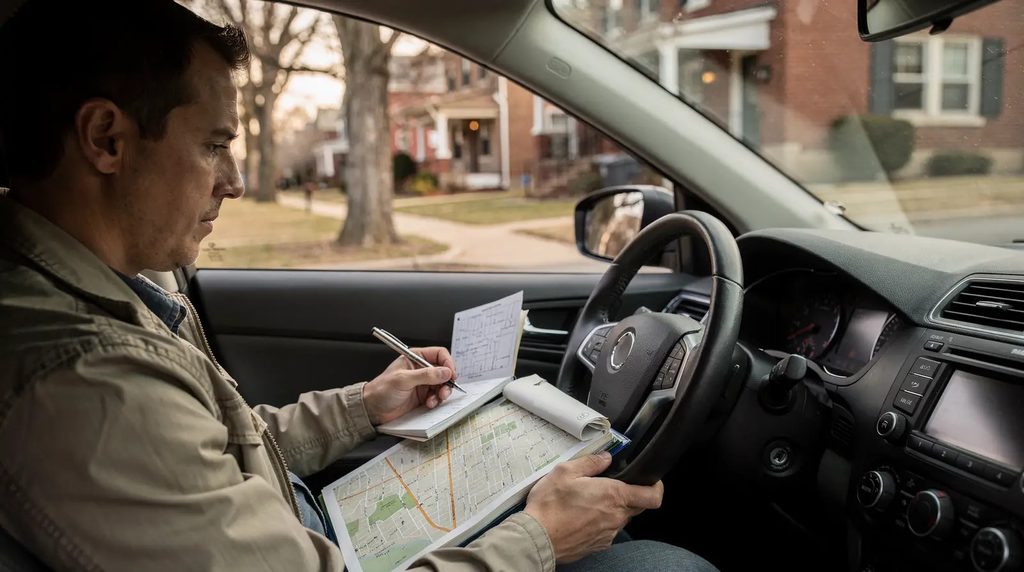
Automated searches can identify possible addresses, telephone numbers, and associations quickly. Their usefulness depends on the source, coverage, currency, and accuracy of the underlying records.
A result may refer to a former address, a relative, or someone with a similar name. Investigator-led work adds analysis and, where necessary, corroboration to determine what the information actually supports.
The distinction is not that every database result is wrong. It is that an unverified result should not automatically be treated as a confirmed current location.
What Does an Investigator Evaluate?
- Whether the record belongs to the correct individual.
- How recently the information was recorded or verified.
- Whether independent sources support the same connection.
- Whether an address is residential, commercial, historical, or associated with someone else.
- What additional checks are justified by the case and available budget.
The analytical work behind an investigation involves evaluating contradictions as well as following promising leads. A useful report explains uncertainty rather than hiding it behind a confident conclusion.
Does Every Locate Require Surveillance?
No. Some assignments can be resolved through research and corroboration. Others may justify lawful field verification, appropriate inquiries, or observation.
The methods should fit the objective. Investigators should not undertake intrusive or unnecessary activity simply because a subject has been difficult to contact.
Which Sources Can Help Locate a Witness?
The appropriate sources depend on the identifiers available, the person’s known history, and the legal basis for obtaining information. No single source provides a complete account in every case.
A location inquiry may include:
- Address history and relevant property records.
- Public court filings and business registrations.
- Known employment and professional connections.
- Publicly accessible online information.
- Commercial databases accessed for an authorized purpose.
- Appropriate inquiries with known contacts.
- Lawful field verification when relevant.
Nonpublic motor vehicle information, utility account data, financial records, and private communications are not unrestricted resources. Any access must comply with the rules governing the particular source and purpose.
Global Intelligence Consultants’ civil investigation services include legally accessible records and database research, open-source intelligence, interviews, and discreet surveillance when appropriate.
Why Is Identity Confirmation Essential?
A common name or a linked address can produce a plausible but incorrect lead. Investigators should compare appropriate identifiers before reporting that the person has been found.
Where the available information is insufficient, the report should identify the limitation and explain what additional details would help. Contacting the wrong person can create unnecessary privacy concerns and waste the legal team’s time.
How Can a St. Louis Witness-Location Service Support Legal Teams?
Witness-location work can help attorneys and paralegals develop a more reliable contact strategy. It can also identify when a lead needs further verification before resources are committed to travel, interviews, or service attempts.
Global Intelligence Consultants supports civil matters with witness location, background intelligence, case development, and evidence organization. The scope should follow counsel’s objectives and the legal requirements of the matter.
Assignments may involve:
- Personal injury or premises liability witnesses.
- Former employees, contractors, or business contacts.
- Parties relevant to commercial or insurance disputes.
- Individuals connected to trust, bankruptcy, or estate-related inquiries.
- Subjects whose last known location is outside Missouri.
When the assignment relates to a criminal matter, GIC Agency’s criminal investigation services provide a separate route for discussing fact development and coordination with legal or law-enforcement teams. Contact methods and responsibilities should be assessed for that specific matter.
Can an Investigator Contact Every Witness Directly?
Not necessarily. Counsel should identify any representation issues, court orders, safety concerns, or other restrictions relevant to contact.
Locating a person and interviewing that person are different parts of an engagement. The investigator should understand which activities are authorized before proceeding.
What Does a Clayton-Based Investigator Add?
A Clayton office provides a regional point of contact for Missouri legal teams and can support coordination when local research or fieldwork is needed.
Location alone does not establish expertise, guarantee immediate deployment, or remove the need to follow the rules applicable to the assignment. Relevant experience, clear communication, and documented methods remain important.
Attorneys comparing providers can review GIC Agency’s Clayton private investigator services and discuss the requirements of their case directly.
What Should Counsel Confirm Before Engagement?
- Appropriate licensing and relevant experience.
- The objective, authorized methods, and geographic scope.
- Available identifiers and previous search results.
- Deadlines and a realistic reporting timetable.
- Fees, budget limits, and approval for additional work.
- Contact restrictions and confidentiality requirements.
If a deposition, hearing, or service deadline is approaching, contact Global Intelligence Consultants to discuss witness-location support. Explain the deadline and what has already been attempted so the team can assess a suitable scope.
How Can Skip Tracing Support Probate Matters?
Estate-related inquiries may involve people who have moved, changed names, or lost contact with relatives over many years. Historical records and known family connections can provide starting points for locating a potential heir, beneficiary, or other interested person.
Investigative research can help counsel develop contact information and document the search. Determining legal heirship, entitlement, notice requirements, and the conditions for distribution remains a legal and court-related question.
A possible family connection should not be reported as an established entitlement without the necessary supporting evidence and legal assessment.
What Makes a Probate Locate Different?
The available information may be older, and the relevant person may be known by a previous surname or incomplete identifier. The inquiry may therefore require comparison of historical addresses, public records, and other reliable connections.
The report should distinguish a potential relative, a verified identity, and a current or probable location. Those distinctions help counsel decide what further documentation or legal steps are required.
What Should a Skip-Tracing Report Contain?
The deliverable should match the assignment and explain the basis for the conclusions. A legal team needs to know not only where a person may be found, but how current and reliable that information is.
Depending on the scope, reporting may include:
- The subject identifiers used in the search.
- Relevant sources and dates.
- Confirmed information and the basis for verification.
- Probable addresses or contact details requiring further checks.
- Field observations or inquiries completed where applicable.
- Unresolved contradictions and practical limitations.
- The work performed and any agreed next steps.
GIC Agency’s civil investigation deliverables include written summaries, detailed reports, timelines, and supporting exhibits when appropriate. Whether a report supports a particular filing or is admissible for a particular purpose must be assessed separately.
A documented search may help counsel evaluate further options when a person remains unlocated. It does not automatically satisfy a court’s requirements for alternative service or establish that every possible search avenue has been exhausted.
Frequently Asked Questions
What Is Skip Tracing in a Missouri Legal Matter?
Skip tracing develops location information through structured research, source comparison, and appropriate verification. It can support witness contact, case preparation, and investigative groundwork for service of process.
How Does Skip Tracing Support Service of Process?
It can provide a current or probable location and help verify the intended recipient’s identity. Formal service remains a separate task that must follow the applicable requirements.
How Does an Investigator Improve on an Automated Search?
An investigator assesses whether records belong to the correct person, checks their currency, compares sources, and conducts further verification when justified. The report should distinguish reliable findings from unresolved leads.
Does a Missing Witness Mean the Person Is Evading Contact?
No. People become difficult to reach for many reasons, including relocation, changed contact information, or incomplete records. Deliberate evasion should not be assumed without evidence.
Can Skip Tracing Help Locate a Potential Heir or Beneficiary?
It may help develop identity and location information for an estate-related inquiry. Counsel must separately assess legal entitlement, notice requirements, and any additional documentation needed.
Is a Successful Locate Guaranteed?
No. Results depend on the identifiers, available records, lawful access, and circumstances. A professional report should explain the work completed and any remaining uncertainty.
How Global Intelligence Consultants Can Help Locate a Key Witness
When contact information is incomplete, legal teams need a clear account of what can be verified and what still requires work. Global Intelligence Consultants helps attorneys and authorized clients develop location information through lawful research, analysis, and appropriate field verification.
Through its civil investigation services, GIC Agency can support:
- Witness location and difficult-to-find subject inquiries.
- Identity and address verification.
- Records and legally accessible database research.
- Open-source research and relevant connection mapping.
- Lawful field verification and appropriate interviews.
- Written findings and supporting documentation for counsel.
The firm’s broader investigation services can address related factual questions when the assignment extends beyond a locate. Its scope can also account for matters that reach outside Missouri.
If your case depends on a witness, former employee, or other individual you cannot locate, contact Global Intelligence Consultants for a confidential consultation. Share the known identifiers, previous search efforts, and relevant deadlines to discuss a focused investigative plan.
This article provides general information, not legal advice. Service requirements, witness contact restrictions, privacy, probate obligations, and the use of investigative findings should be assessed by qualified counsel.