

Pre-trial preparation depends on reliable facts. Witness location, skip tracing, interviews, and evidence gathering can help attorneys address gaps in the case record before discovery deadlines, settlement discussions, or trial.
Global Intelligence Consultants (GIC Agency), based in Clayton, Missouri, provides investigative support for attorneys, insurers, businesses, and individuals. Its civil investigation services focus on lawful fact-finding, clear documentation, and organized reporting that supports legal review.
For law firms seeking a private investigator in St. Louis, MO, the value lies in more than locating a person or obtaining a photograph. Effective litigation support connects investigative work with counsel’s questions, deadlines, and evidentiary needs while remaining objective about what the findings establish.
Key Takeaways
- Pre-trial litigation support can include witness location, records research, interviews, surveillance, and evidence organization.
- Skip tracing uses multiple sources to identify and verify a person’s current whereabouts rather than relying on a single database result.
- Locating a witness and completing legally effective service are separate tasks that require appropriate coordination.
- Reports should distinguish verified facts, observations, statements, and unresolved leads.
- Confidential handling is essential, but attorney-client privilege and work-product protection depend on applicable law and the circumstances of the engagement.
What Does Litigation Support Look Like in Missouri?
Litigation support helps legal teams develop and organize the factual record. Depending on the matter, investigators may locate relevant individuals, verify information, document activity, or examine records that help counsel assess a claim or defense.
Global Intelligence Consultants operates from Clayton, placing its team within the St. Louis region. Its civil investigation services include case development, witness location, background intelligence, and evidence organization.
The scope should be tailored to the dispute. An insurance defense matter may require activity documentation and timeline verification, while a business dispute may call for records research, interviews, and analysis of relationships among relevant parties.
What Should Civil Litigation Support Include?
A well-defined engagement starts with the questions counsel needs answered and the methods appropriate for answering them. Investigative work should remain within applicable legal requirements and the boundaries established by the legal team.
Useful support may include:
- Locating witnesses and confirming current contact information.
- Conducting appropriate interviews and collecting statements.
- Researching legally accessible records and databases.
- Documenting relevant activity through lawful surveillance.
- Reviewing open-source information for corroborating details.
- Preparing timelines, reports, and supporting exhibits for attorney review.
Why Does Communication Matter?
Attorneys need to know what has been verified, what remains uncertain, and whether an investigative obstacle could affect the case timetable. Clear communication also helps prevent unnecessary work and keeps investigators aligned with counsel’s priorities.
A dependable engagement should establish:
- The objectives, scope, and authorized investigative methods.
- Relevant deadlines and priorities.
- A reporting schedule and designated points of contact.
- A process for escalating unexpected findings or complications.
- Appropriate handling and sharing of sensitive information.
How Do Investigators Locate Witnesses and Skip-Trace Subjects?
Witness location begins with the information already available: names, previous addresses, known associates, employment history, and other reliable identifiers. Investigators compare leads across sources and seek confirmation before treating a location as current.
Not every missing or unresponsive person is evading a case. People move, change telephone numbers, or become difficult to contact for many reasons. An objective investigation distinguishes those possibilities from evidence of deliberate avoidance.
Depending on the circumstances and lawful access, skip tracing may involve:
- Research using public records and legally accessible databases.
- Cross-checking historical addresses and identifying information.
- Appropriate inquiries with known contacts or other sources.
- Open-source research to develop and corroborate leads.
- Field verification or lawful observation when necessary.
What Makes Skip Tracing Difficult?
Outdated addresses, common names, incomplete identifiers, and conflicting records can send an investigation in the wrong direction. A promising database entry is a lead, not proof that the correct person currently lives at the listed address.
Careful verification helps reduce mistaken identity and unsuccessful attempts to contact or serve a subject. Reports should explain how a location was confirmed and identify any uncertainty that remains.
How Does Witness Location Relate to Service of Process?
Locating an individual may support an interview, deposition planning, or an attempt to serve legal documents. However, witness location, service of a summons, and service of a subpoena are distinct activities with different purposes and requirements.
Counsel should determine whether formal service is needed and which rules apply. An investigator’s factual findings can assist an authorized process server, but a verified address alone does not establish that service has been completed properly.
A Missouri private investigator license should not be treated as automatic authorization to serve every type of court document in all 50 states. Service requirements depend on the jurisdiction, proceeding, and documents involved.
What Should Attorneys Expect From a Private Investigator?
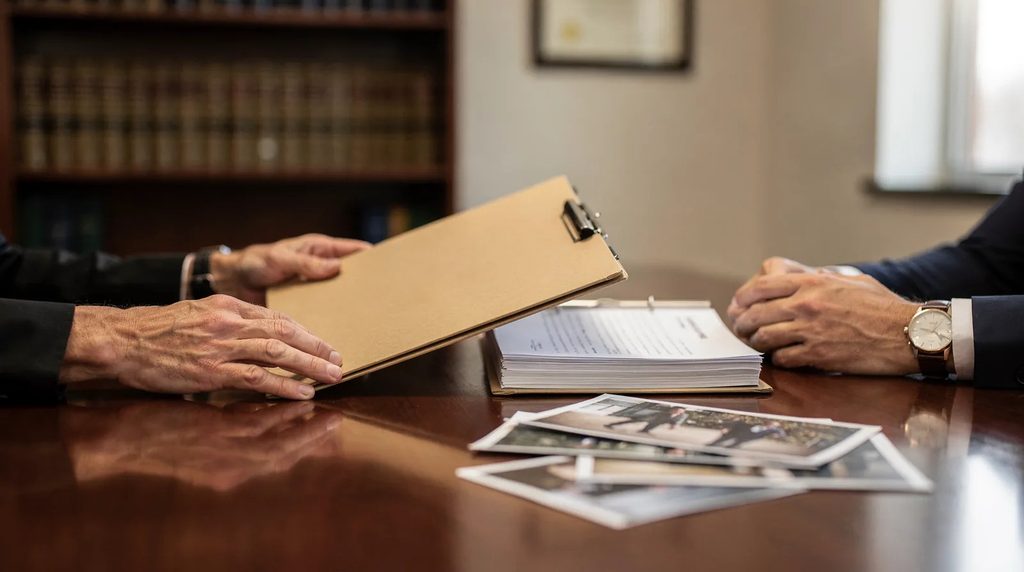
Attorneys should expect discretion, realistic communication, and reporting that separates evidence from inference. An investigator’s role is to establish facts, including findings that may challenge the client’s initial assumptions.
Before an engagement begins, the legal team should confirm appropriate licensing, discuss relevant experience, and agree on scope, deliverables, costs, and deadlines.
Global Intelligence Consultants provides written summaries, detailed reports, timelines, and supporting exhibits through its civil investigation services. Depending on the assignment, deliverables may also include time-stamped photographs or video and testimony support.
What Services Support Civil Case Preparation?
Investigative needs vary across practice areas. GIC Agency’s civil services include support for:
- Personal injury and premises liability matters.
- Workers’ compensation and disability claims.
- Witness location and other locate assignments.
- Child custody and welfare concerns.
- Harassment, threats, and stalking documentation.
- Other civil disputes requiring case development and evidence organization.
For family law matters, divorce investigations may address custody concerns, cohabitation, income representations, or suspected undisclosed assets. Counsel should determine which facts are legally relevant to the proceeding.
In business disputes, appropriate executive background research may help verify credentials or examine relevant records. Background information should be assessed for its connection to the actual issues in the case, not treated as proof of a particular allegation.
Does an Investigative Report Guarantee Admissible Evidence?
No. A report can organize findings for legal review, but admissibility depends on applicable rules, the source of the information, authentication, and other case-specific considerations.
An interview statement may be a useful investigative lead without automatically being admissible for every purpose. Clear source identification and careful documentation help counsel determine whether additional testimony, records, or foundation is needed.
How Should Law Firms Handle Confidentiality and Privilege?
Confidentiality, attorney-client privilege, and work-product protection are related but distinct. Secure communication and restricted access help protect sensitive information, but they do not automatically create legal privilege.
Missouri’s discovery rules provide qualified protection for certain materials prepared in anticipation of litigation or for trial. Whether a particular investigator’s report or communication is protected depends on the circumstances and applicable law.
Counsel should direct the engagement where appropriate, establish reporting protocols, and assess which materials may be discoverable. Investigators should follow those instructions without promising that every finding or communication will remain outside discovery.
What Should an Initial Consultation Cover?
Before commissioning investigative work, prepare a concise summary of:
- The dispute and factual questions requiring investigation.
- Known parties, witnesses, and reliable identifiers.
- Relevant documents and previous investigative efforts.
- Filing, discovery, service, and trial deadlines.
- Legal restrictions or contact instructions supplied by counsel.
- The required reporting format and communication arrangements.
Law firms can contact Global Intelligence Consultants to discuss litigation support needs and establish an appropriate investigative scope.
Frequently Asked Questions
Where Is Global Intelligence Consultants Located?
Global Intelligence Consultants is based in Clayton, Missouri, serving clients in the St. Louis region. Its civil investigation services also include national and international capabilities when matters extend beyond one location.
What Methods Do Investigators Use to Locate Witnesses?
Investigators may combine records research, legally accessible databases, open-source information, appropriate inquiries, and field verification. The methods depend on the available information, legal requirements, and circumstances of the assignment.
Is Witness Location the Same as Service of Process?
No. Witness location identifies or confirms whereabouts. Service of process delivers specified legal documents according to applicable rules. Counsel should determine the required procedure and coordinate with an appropriately authorized person.
How Do Investigators Protect Sensitive Case Information?
Investigators should follow agreed communication, access, and reporting protocols. These safeguards support confidentiality, while counsel separately assesses attorney-client privilege, work-product protection, and potential discovery obligations.
What Deliverables Should a Law Firm Expect?
Deliverables should match the agreed scope. They may include written reports, witness-location findings, interview summaries, timelines, photographs, video, or supporting exhibits, with sources and limitations explained clearly.
How Global Intelligence Consultants Can Help With Pre-Trial Litigation Support
Pre-trial investigation should give attorneys a clearer factual foundation for decision-making. Global Intelligence Consultants supports case preparation through lawful research, witness location, interviews, surveillance, and organized documentation tailored to the matter.
Through its civil investigation services, GIC Agency can help legal teams:
- Locate relevant individuals and verify available leads.
- Develop background intelligence and corroborating information.
- Document activity and timelines where appropriate.
- Conduct interviews and collect statements when suitable.
- Organize findings and exhibits for attorney review.
- Coordinate investigative work with counsel’s objectives and legal requirements.
When a case requires additional fact-finding, the firm’s broader investigation services can support an expanded scope based on the questions involved.
If your firm needs a private investigator in St. Louis, MO, for witness location, skip tracing, or pre-trial evidence gathering, contact Global Intelligence Consultants for a confidential consultation. Share the case objectives and relevant deadlines to discuss a focused investigative plan.
This article provides general information, not legal advice. Service requirements, investigative contact restrictions, privilege, discovery, and admissibility should be assessed by qualified counsel.