

As global markets continue to expand and evolve, international firms are facing increasing pressure to manage complex supply chains across emerging economies. In 2026, supply chain intelligence has become a critical function—not just for operational efficiency, but for identifying and mitigating third-party risks that can disrupt business continuity.
From geopolitical instability to cybersecurity threats, organizations must adopt advanced tools and proactive strategies to assess supplier risk, monitor real-time developments, and ensure compliance across jurisdictions.
This article explores how global firms can strengthen their supply chain intelligence capabilities and reduce exposure in high-risk environments.
What Are the Essential Third-Party Risk Assessment Tools for Emerging Markets in 2026?
Third-party risk assessment tools are essential for organizations operating in emerging markets, where transparency, regulatory consistency, and infrastructure reliability can vary widely. These tools enable firms to evaluate suppliers, partners, and vendors using data-driven insights.
Modern risk intelligence platforms aggregate information from multiple sources—including financial records, legal filings, sanctions lists, and local intelligence—to provide a comprehensive risk profile.
By leveraging these platforms, companies can identify red flags early and make informed decisions when onboarding or managing third-party relationships.
How Do Digital Risk Intelligence Platforms Enhance Supplier Evaluation?
Digital risk intelligence platforms play a central role in supplier evaluation by combining data analytics with real-time intelligence. These systems allow organizations to:
- Assess supplier credibility and financial stability
- Identify past legal or regulatory issues
- Monitor reputational risks across regions
- Detect early warning signs of operational disruption
By consolidating these insights into a single dashboard, firms can move beyond reactive risk management and adopt a proactive, intelligence-led approach to supplier evaluation.
Which Technologies Support Real-Time Third-Party Risk Monitoring?
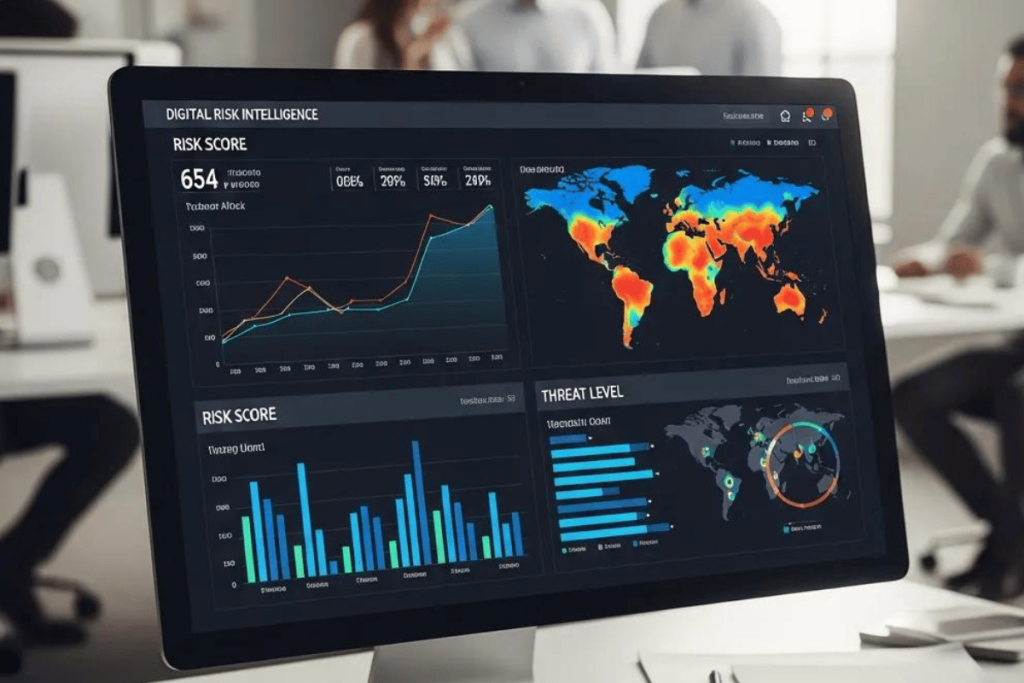
Technological innovation is transforming how companies monitor third-party risk. Key technologies include:
- Artificial Intelligence (AI): Automates data analysis and identifies patterns or anomalies that may indicate risk
- Blockchain: Enhances transparency and traceability across supply chains
- IoT and data integration tools: Provide real-time visibility into logistics and supplier performance
These technologies enable continuous monitoring, allowing organizations to respond quickly to emerging threats such as supply disruptions, compliance violations, or security breaches.
How Can Firms Strengthen Supply Chain Efficiency Through Integrated Risk Management?
Integrating risk management directly into supply chain operations improves both efficiency and resilience. When risk intelligence is embedded into procurement and vendor management processes, organizations can:
- Evaluate risk before engaging new partners
- Align supplier selection with risk tolerance levels
- Reduce delays caused by unforeseen disruptions
- Improve decision-making across global operations
This integration ensures that risk assessment is not a separate function, but a core component of supply chain strategy.
What Are Effective Supply Chain Risk Mitigation Strategies in Emerging Markets?
Operating in emerging markets requires tailored risk mitigation strategies that account for local conditions. Effective approaches include:
- Comprehensive due diligence: Conducting in-depth background checks on third parties
- Local expertise: Engaging regional specialists to understand cultural, legal, and political nuances
- Ongoing monitoring: Continuously tracking supplier performance and external risk factors
- Clear communication channels: Maintaining transparency with partners to address issues early
These strategies help organizations reduce uncertainty and build more resilient supply chains.
Which Best Practices Guide Third-Party Due Diligence Processes?
Strong due diligence processes are the foundation of effective risk management. Best practices include:
- Verifying corporate ownership and beneficial ownership structures
- Screening for sanctions, watchlists, and adverse media
- Assessing compliance with international regulations and ethical standards
- Conducting site visits or on-the-ground investigations when necessary
While global frameworks such as OECD guidelines provide direction, implementation in emerging markets often requires additional scrutiny due to inconsistent regulatory enforcement.
How Do Regulatory and Compliance Requirements Impact Global Supply Chains?
Regulatory requirements continue to evolve across jurisdictions, impacting how companies manage supply chains. International firms must navigate:
- Anti-corruption laws (e.g., FCPA, UK Bribery Act)
- Data protection regulations
- Trade compliance and sanctions regimes
- Environmental and labor standards
Failure to comply with these regulations can result in significant financial penalties and reputational damage. A strong compliance framework, supported by accurate intelligence, is essential for mitigating these risks.
What Emerging Market Risk Trends Should Global Firms Monitor in 2026?
Several key trends are shaping the risk landscape in emerging markets:
- Cybersecurity threats: Increased digitalization exposes supply chains to cyber attacks
- Geopolitical instability: Political changes and conflicts can disrupt operations
- Climate-related risks: Natural disasters and environmental shifts impact logistics and sourcing
- Regulatory shifts: Rapid policy changes can affect market access and compliance requirements
Staying ahead of these trends allows organizations to anticipate disruptions and adapt their strategies accordingly.
How Do Geopolitical Factors Influence Supplier Risk?
Geopolitical dynamics play a major role in supply chain risk. Political instability, trade restrictions, and regional conflicts can:
- Interrupt supply routes
- Increase costs and delays
- Limit access to critical resources
Organizations must continuously monitor geopolitical developments and incorporate this intelligence into their risk assessments to maintain operational continuity.
What Role Does AI-Driven Analytics Play in Enhancing Risk Intelligence?
AI-driven analytics is transforming supply chain intelligence by enabling faster, more accurate decision-making. These tools can:
- Analyze large volumes of structured and unstructured data
- Predict potential disruptions before they occur
- Identify hidden relationships between risk factors
- Provide actionable insights for risk mitigation
By integrating AI into their risk management frameworks, organizations gain a significant advantage in navigating complex global supply chains.
As global supply chains become more interconnected and exposed to emerging risks, international firms must adopt a proactive and intelligence-driven approach to third-party risk management. By leveraging advanced technologies, conducting thorough due diligence, and continuously monitoring geopolitical and regulatory developments, organizations can strengthen resilience and protect their operations.
Global Intelligence Consultants, Inc. provides specialized corporate investigation and supply chain intelligence services to help organizations uncover hidden risks, validate third-party relationships, and operate with confidence in complex international markets