
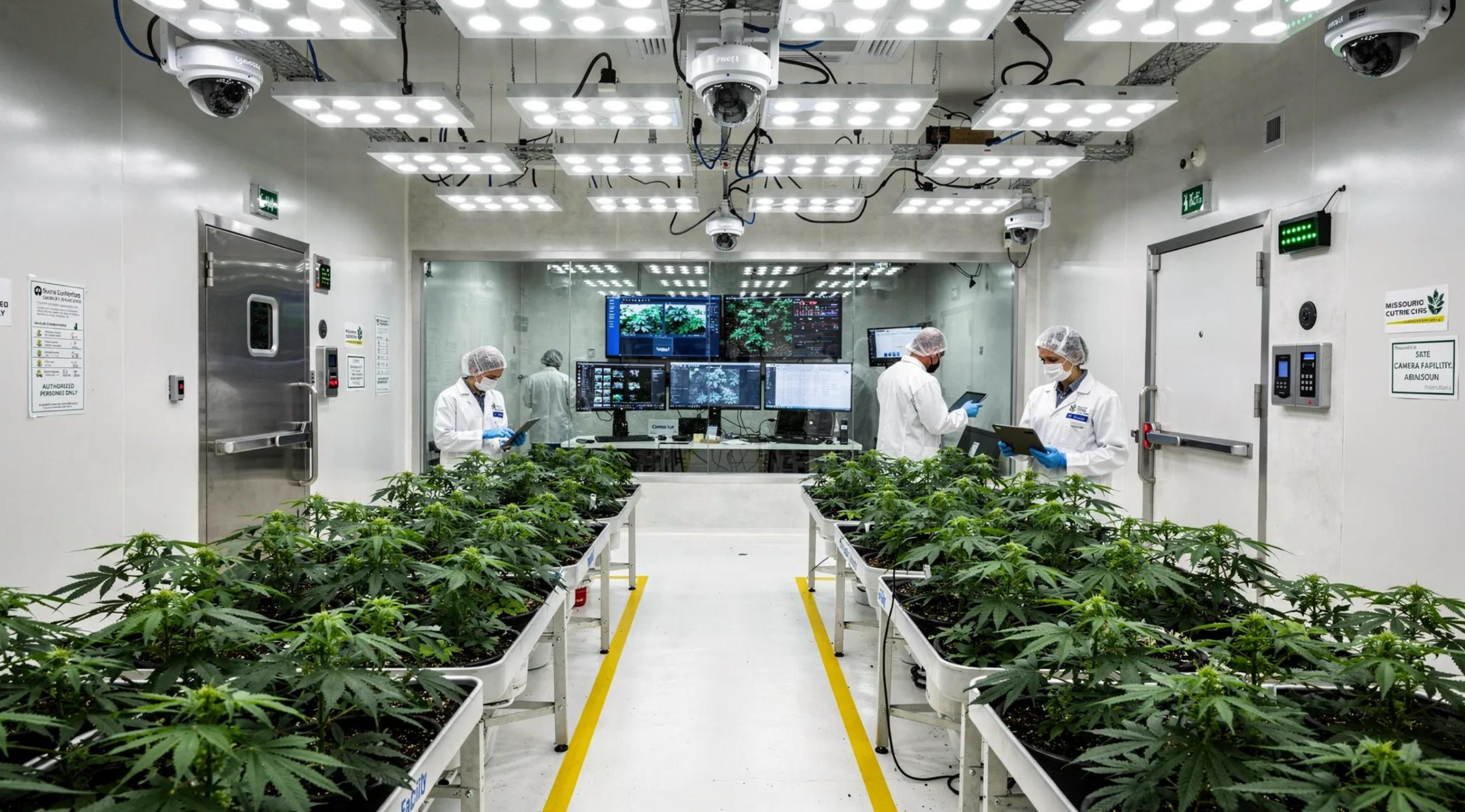
As the landscape of cannabis regulation continues to evolve, understanding the requirements for security compliance in Missouri’s grow facilities becomes essential. Growers must navigate a complex web of guidelines related to personnel training, licensing, incident reporting, and regulatory compliance.
This article serves as a comprehensive guide to the security standards that must be met by 2026. Readers will learn about the specific requirements for personnel, the training protocols needed, and the importance of incident reporting.
Additionally, the article will delve into how facilities can prepare for compliance audits, ensuring all operations adhere to state regulations.
Understanding the nuances of Missouri cannabis security regulations is vital for compliance and operational success. By examining the essential security requirements and best practices, including advanced surveillance systems and effective access control measures, cannabis grow facilities can safeguard their operations.
This article will also discuss how to prepare for security audits and the various accountability measures that regulatory agencies enforce.
Security Requirements
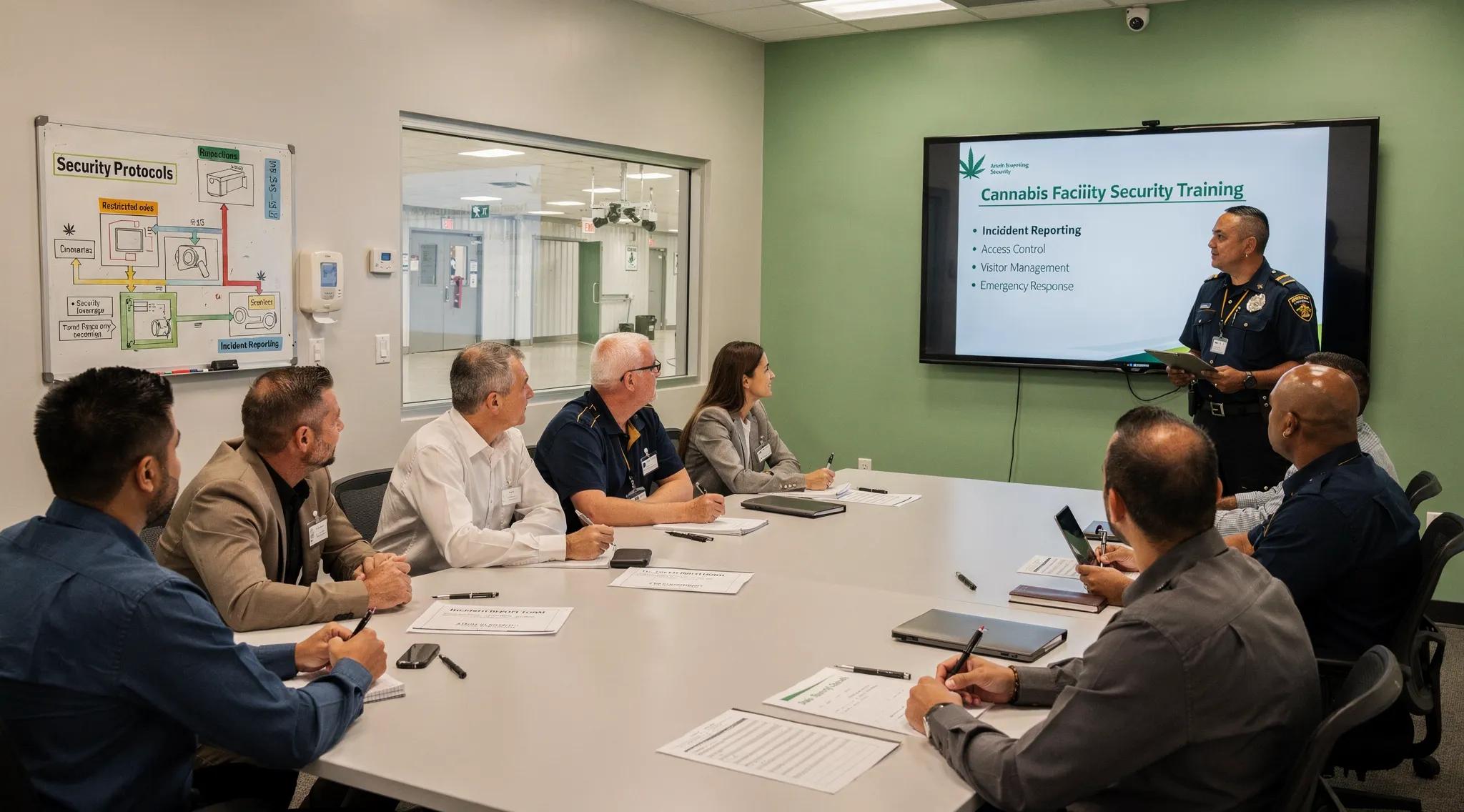
Security requirements for cannabis facilities play a crucial role in maintaining compliance with state regulations. These encompass various components, including employee licensing, necessary training, and obligations for incident reporting.
Facilities must ensure that they meet all stipulated security standards to prevent legal repercussions and maintain operational integrity.
Personnel Licensing
Personnel licensing is a pivotal aspect of cannabis security compliance in Missouri. All security personnel are required to hold specific licenses that demonstrate their qualifications to manage and monitor secured areas.
Key points include:
- Types of Licenses Required: Security staff must possess valid security licenses issued by appropriate state authorities.
- Training Duration: Licenses must be complemented with training courses that typically last several weeks, ensuring personnel are well-prepared to handle their responsibilities.
- Penalties for Non-Compliance: Facilities failing to meet licensing requirements may face significant fines and the potential loss of their operating license.
Training Standards
Training standards ensure that personnel are equipped to handle the unique challenges present in cannabis facilities. Key elements of these standards include:
- Training Topics Covered: Personnel training includes security protocols, emergency response, and regulatory compliance.
- Certification Importance: Holding certifications demonstrates a commitment to security through ongoing education, which is often a requirement for license renewal.
- Frequency of Retraining: Regular retraining sessions are crucial to keep personnel updated on the latest security practices and regulatory changes.
Incident Reporting
Incident reporting is essential for maintaining transparency and accountability within cannabis grow facilities. This process includes:
- Definition of Reportable Incidents: Any security breaches or suspicious activities must be documented and reported according to state guidelines.
- Timeline for Reporting: Facilities are typically required to submit reports within a specified timeframe following an incident.
- Documentation Procedures: Maintaining thorough documentation of all incidents ensures compliance and supports any potential investigations by regulatory agencies.
Regulations
The regulatory environment for cannabis security is continually changing, necessitating that facilities remain vigilant and adaptable to new standards. This section provides an overview of the evolving compliance landscape.
Evolving Compliance Landscape
As regulations shift, facility operators must stay informed about current and forthcoming requirements. Critical updates may include:
- Recent Changes in Regulations: The introduction of stricter guidelines regarding security measures and personnel training impacts how facilities operate.
- Potential Future Regulations: Emergent trends indicate increased scrutiny on security protocols, possibly leading to harsher penalties for non-compliance.
- Strategies for Compliance Adaptation: Facilities can prepare for changes by routinely updating internal policies and security measures to align with regulatory updates.
Preparation for Compliance
Preparing for compliance involves proactive measures that facilities must implement to ensure readiness. Fundamental strategies include:
- Creating Compliance Strategies: Detailed action plans outlining steps to meet compliance standards are essential.
- Importance of Regular Audits: Conducting internal audits helps identify potential weaknesses and areas for improvement before external inspections occur.
- Documentation Requirements: Proper documentation practices ensure all security measures and personnel training activities are recorded and readily accessible for review by regulatory bodies.
Enforcement by Regulatory Agencies
Understanding the enforcement mechanisms employed by both local and state regulatory agencies helps facilities navigate compliance effectively.
Local and State Oversight
Local and state oversight plays a critical role in enforcing compliance among cannabis grow facilities. Important points include:
- Inspection Processes: Agencies routinely inspect facilities to verify adherence to security protocols and operational standards.
- Documentation Required for Audits: Facilities must maintain accurate records, which will be scrutinized during audits.
- Audit Outcome Implications: The outcomes of these audits can significantly impact the facility’s ability to operate, highlighting the importance of maintaining compliance.
Accountability Measures
Compliance with regulations is not only about following procedures but also involves accountability measures to ensure ongoing adherence. Key aspects include:
- Potential Penalties for Violations: Facilities found in violation of security regulations may face severe penalties, including fines and suspension of licenses.
- Importance of Compliance: Adhering to standards is vital to foster trust with regulators and ensure the long-term success of the facility.
- Communicating with Regulatory Bodies: Open lines of communication with regulatory agencies facilitate better understanding and compliance efforts.
Best Practices for Surveillance and Access Control Systems
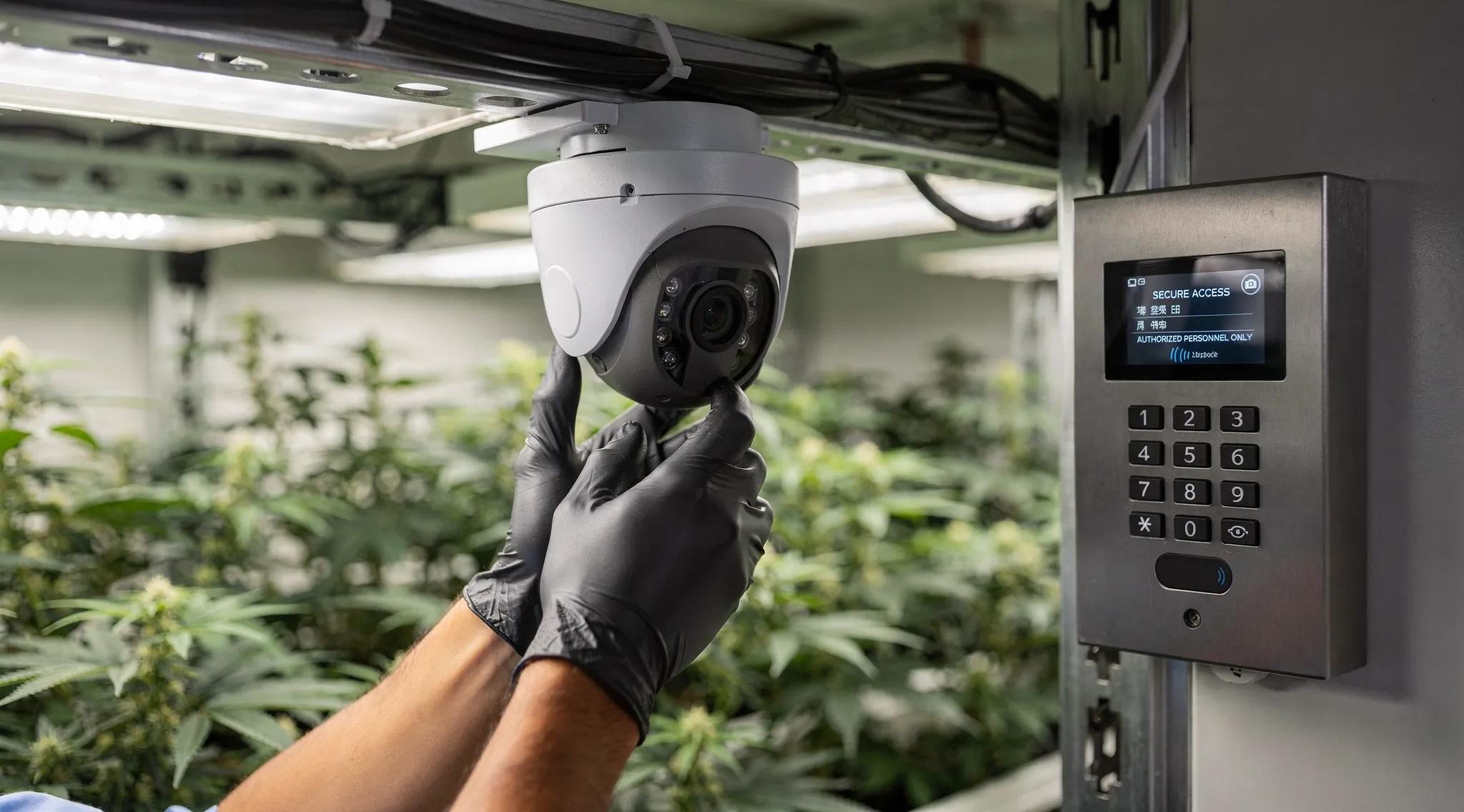
Implementing best practices for surveillance and access control is crucial for ensuring security in cannabis facilities. This section evaluates recommended strategies for effective security systems.
Advanced Surveillance Systems
Advanced surveillance systems serve as the backbone of security in cannabis grow facilities. These may include:
- Benefits of Advanced Systems: High-definition cameras and motion sensors provide real-time monitoring capabilities.
- Installation Considerations: Proper placement of surveillance devices is essential to ensure comprehensive coverage of all facility areas.
- Cost Factors: While advanced systems may require a higher initial investment, their effectiveness often justifies the expense through enhanced security.
Integrated Security Solutions
Integrated security solutions combine various security measures to create a cohesive security environment. This integration includes:
- Benefits of Integrated Solutions: Combining alarms, cameras, and access control systems allows for streamlined monitoring and response to incidents.
- Common Integration Challenges: Ensuring compatibility between different systems may present challenges that require careful planning and consultation with experts.
- Examples of Solutions: Facilities can benefit from security platforms that offer full integration of surveillance and access control features.
Access Control
Implementing effective access control measures is critical for securing sensitive areas within cannabis facilities. Key considerations include:
- Types of Access Control Systems: Facilities should utilize biometric scanners, key card systems, and traditional locks to limit access to authorized personnel only.
- Best Practices for Implementation: Conducting regular assessments of access control measures ensures their effectiveness and identifies potential vulnerabilities.
- Impact on Security: Effective access control not only prevents unauthorized entry but also provides a record of all personnel movements within the facility.
Environmental Monitoring
Environmental monitoring is essential for maintaining optimal conditions in cannabis grow facilities while ensuring security. Important points include:
- Critical Factors to Monitor: Temperature, humidity, and CO2 levels must be regularly checked to ensure optimal growth conditions and compliance.
- Technologies Used: Smart sensors and monitoring systems provide real-time data, aiding in decision-making to maintain environmental stability.
- Impact on Cultivation: Consistent monitoring of environmental factors directly influences the yield and quality of cannabis products.
Regular Security Assessments
Conducting regular security assessments is vital to identify vulnerabilities and areas for improvement within facility security. Important guidelines include:
- Frequency of Assessments: Facilities should schedule comprehensive reviews at least annually or more frequently based on facility size and risk assessment.
- Criteria for Evaluation: Assessment criteria should include personnel compliance, hardware functionality, and response times to security incidents.
- Importance of Corrective Actions: Addressing identified weaknesses promptly is crucial to maintaining compliance and safeguarding the operation.
What Are the Key Missouri Cannabis License Security Regulations for 2026?
In 2026, cannabis facilities in Missouri will need to adhere to stringent security regulations designed to protect both operations and the community. Essential regulations include:
- Key Security Regulations: Facilities must implement comprehensive security plans, including surveillance and access control measures.
- Overview of Compliance Standards: Compliance standards emphasize the importance of both physical and operational security to mitigate risks.
- Implications for Facility Operations: Understanding these regulations is vital for the operational success and legal compliance of cannabis grow facilities.
How Can Grow Facilities Prepare for Missouri Cannabis Security Compliance Audits in 2026?
Preparing for compliance audits requires a systematic approach that ensures facilities meet all regulatory requirements. Critical components of preparedness include:
- Best Practices for Audit Prep: Regular reviews of policies and security measures can help facilities identify and address any gaps.
- Documentation Required: Facilities should ensure that all training, incidents, and maintenance records are accurately maintained.
- Common Pitfalls to Avoid: Proactively addressing areas of concern ahead of audits reduces the likelihood of penalties and non-compliance.
What Does a Missouri Cannabis Security Audit Checklist Include?
A Missouri cannabis security audit checklist typically consists of several key components to ensure comprehensive evaluations. Important items include:
- Key Audit Components: Include provisions for personnel licensing, training documentation, and incident reports.
- Items of Focus: Auditors focus on compliance with security regulations, operational practices, and documentation accuracy.
- Frequency of Updates: The checklist should be reviewed and updated regularly to reflect any changes in state regulations or operational practices.
How to Maintain Proper Documentation for License Security Renewals?
Maintaining proper documentation is crucial for facilities aiming for smooth security license renewals. Key practices include:
- Types of Documentation Needed: Facilities should document all security measures, personnel training, and incident reports.
- Importance of Accuracy: Ensuring that all records are accurate and up-to-date is vital for successful audits.
- Retention Periods: Establishing clear retention periods for documentation prevents potential compliance issues during audits.
What Are Personnel and Training Requirements for Cannabis Grow Facility Security in Missouri?
Personnel and training requirements form the foundation of regulatory compliance in Missouri’s cannabis security framework. Crucial aspects include:
- Personnel Licensing Requirements: All staff must be properly licensed according to state regulations to ensure compliance.
- Training Protocols: Comprehensive training programs outline the necessary skills and knowledge for security personnel to perform effectively.
- Required Certifications: Holding relevant certifications reinforces a commitment to meeting regulatory standards and enhances personnel credibility.
Which Security Personnel Rules Apply to Cannabis Cultivation in Missouri?
Specific rules dictate the requirements for security personnel engaged in cannabis cultivation. Key points include:
- Types of Personnel Needed: Facilities must employ licensed security personnel who are trained to handle the unique challenges of cannabis security.
- Licensing Rules: All security staff must hold appropriate licenses from state authorities to ensure compliance.
- Compliance Requirements: Continuous education and adherence to training protocols are critical components of maintaining operational compliance within facilities.
How Should Grow Facility Staff Be Trained on 2026 Security Standards?
Training standards must evolve continually to meet 2026 security regulations. Essential training topics include:
- Training Topics: Personnel should be trained on emerging security technologies, incident response procedures, and legal compliance.
- Frequency of Training: Ongoing training should occur regularly, with updates provided as regulations change or new technologies are introduced.
- Certification Requirements: Obtaining industry-recognized certifications enhances personnel proficiency and ensures adherence to the latest security practices.
Global Intelligence Consultants helps Missouri grow facilities turn complex 2026 security rules into a clear, workable plan. We bring together licensing, training, incident reporting, and integrated surveillance and access control so your operation stays compliant and audit-ready.
Working side by side with your team, we find and fix gaps, strengthen procedures, and organize the documentation regulators expect to see. With the right partner, Missouri’s cannabis security requirements become less of a burden and more of a way to protect and grow your business.