

In the age of rapid technological advancement, corporate espionage presents significant challenges for businesses worldwide. This article explores how global intelligence agencies are adapting to these challenges by incorporating artificial intelligence (AI) into their espionage detection efforts.
Readers will gain insights into the key modern threats, the evolving landscape of corporate espionage in the coming years, and the specific AI technologies that play vital roles in enhancing security measures. With the ever-increasing complexity of threats, understanding the intersection of AI and intelligence operations is crucial for safeguarding sensitive information.
This piece will delve into the tactics enhanced by AI, the leading agencies in this domain, and the ethical considerations that accompany these technological advances.
What Are the Key Modern Threats in Corporate Espionage?
Modern corporate espionage threats are multifaceted, encompassing various tactics that target sensitive corporate information. Unauthorized access to networks often occurs through sophisticated hacking techniques. Phishing attacks continue to be a prevalent method, utilizing social engineering to deceive employees into revealing confidential information.
Additionally, insider threats pose significant risks, as employees may exploit their access for personal gain, leading to data breaches and financial losses.
Which Corporate Espionage Tactics Are Enhanced by AI?
AI enhances several corporate espionage detection tactics, providing businesses with robust defenses against these threats. Some key enhancements include:
- Automated Data Analysis: AI can process enormous amounts of data quickly, identifying anomalies that may indicate a security breach.
- Predictive Analytics Capabilities: By analyzing patterns in historical data, AI predicts potential future attacks, allowing for preemptive measures.
- Digital Forensics Enhancements: AI-powered tools improve the efficiency of digital investigations, uncovering evidence that may be overlooked by human analysts.
These advancements illustrate how AI is reshaping the corporate espionage landscape, enabling better detection and response strategies.
How Does Global Espionage Evolve in the Coming Years?
As we look toward the future, the evolution of global espionage will be influenced by technological advancements and geopolitical shifts. Expected changes include:
- Technological Advancements: New tools and software will emerge, increasing the sophistication of espionage techniques.
- Emerging Risks from Geopolitical Changes: Nations may impose stricter regulations on data privacy and cybersecurity, escalating tensions and aiding espionage activities.
- Evolving Legal Frameworks: Regulatory bodies will need to adapt legal frameworks to address the challenges posed by AI in espionage detection and prevention.
This ongoing evolution emphasizes the importance of agility in intelligence strategies.
How Do Intelligence Agencies Use AI Tools for Espionage Detection?
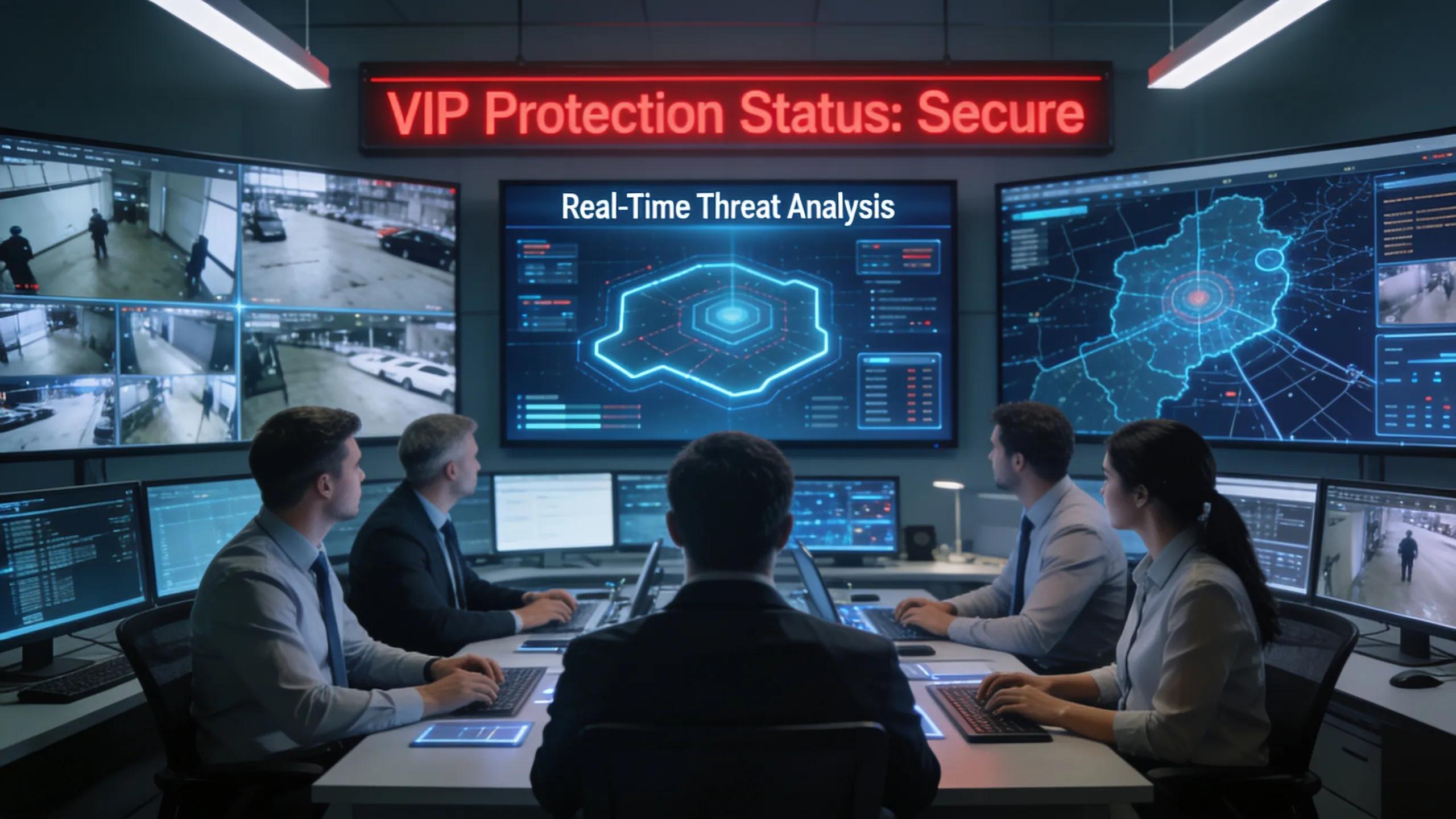
Intelligence agencies leverage AI tools to enhance their espionage detection capabilities significantly. These tools enable agencies to perform in-depth data analysis, identify patterns indicative of espionage activities, and streamline collaboration with law enforcement.
However, legal and ethical compliance challenges remain, requiring agencies to navigate complex regulations governing data use.
What AI Technologies Enable Real-Time Threat Detection?

Several AI technologies are vital for real-time threat detection in corporate espionage. The following technologies are particularly noteworthy:
- Machine Learning Algorithms: These algorithms help in identifying behaviors correlated with espionage, adapting as threats evolve.
- Real-Time Network Monitoring Tools: These tools ensure continuous surveillance, allowing for prompt responses to detected intrusions.
- Advanced Threat Intelligence Systems: Leveraging AI, these systems compile and analyze threat data from various sources to provide actionable insights.
These technologies underscore the potential of AI to transform espionage detection practices.
Which Intelligence Agencies Lead in AI-Based Corporate Threat Prevention?
Several intelligence agencies are at the forefront of utilizing AI for corporate threat prevention. Notable agencies include:
- CIA: Renowned for its comprehensive approaches to national security and intelligence gathering.
- MI6: The UK’s foreign intelligence service, known for integrating advanced technologies into its operations.
- National Security Agency (NSA): Focuses on signals intelligence and cybersecurity, heavily investing in AI analytics.
These agencies exemplify the commitment to leveraging AI technology to combat corporate espionage effectively.
What Are Notable Case Studies of AI Preventing Corporate Espionage?
Recent case studies illustrate the effective deployment of AI in preventing corporate espionage. For instance, deployments of machine learning algorithms in financial corporations have helped detect suspicious transactional patterns, leading to investigations that thwarted potential breaches.
The outcomes from these interventions often focus on enhanced detection rates and reduced fraud cases, showcasing AI’s impact on espionage mitigation.
How Did AI Tools Stop a Recent Cross-Border Espionage Incident?
A specific incident that highlights AI’s role in countering espionage involved a cross-border data theft attempt. Employing AI-driven analytics, detection systems flagged unusual access requests from a foreign IP address.
The rapid response by the cybersecurity team, informed by AI insights, prevented sensitive intellectual property from being extracted, showcasing the effectiveness of AI in immediate threat scenarios.
What Outcomes Demonstrate AI’s Impact on Espionage Mitigation?
AI’s deployment in espionage prevention has led to several significant outcomes:
- Improved Detection Rates: Enhanced algorithms have resulted in faster identification of potential breaches.
- Reducing Fraud Cases: Companies utilizing AI have reported decreased incidents of economic espionage.
- Enhanced Data Protection Measures: Organizations have fortified their defenses, aligning with emerging AI technologies for comprehensive monitoring.
These advancements indicate a promising trajectory for AI in corporate intelligence.
What Ethical and Legal Challenges Arise from AI in Corporate Espionage Prevention?
The integration of AI in corporate espionage prevention raises ethical and legal challenges. Privacy concerns for individuals may arise as AI tools surveil communications and behaviors. The legality of AI surveillance techniques remains a contentious topic, necessitating organizations to navigate existing laws.
Furthermore, policy implications for organizations using AI tools create the need for transparent practices.
How Do Agencies Balance Privacy with AI Surveillance?
Agencies aim to balance privacy with AI surveillance by establishing regulatory standards governing AI use. Policies are crafted to respect individual privacy while ensuring national security.
Public perception and transparency in operations play critical roles in maintaining trust and accountability as AI surveillance becomes more prominent.
What Legal Frameworks Govern AI Use in Espionage Detection?
Legal frameworks surrounding AI use in espionage detection are evolving rapidly. International laws affecting AI will continue to shape operational standards for intelligence agencies.
Ensuring compliance with these frameworks will be essential for agencies to perform their roles while upholding legal obligations.
| Agency | Focus Area | Key AI Applications |
|---|---|---|
| CIA | National Security | Data analysis, predictive modeling |
| MI6 | Foreign Intelligence | Threat detection, situational awareness |
| NSA | Cybersecurity | Network analytics, threat intelligence |
This summary highlights how different agencies employ AI to enhance their operations, reflecting a broader trend towards technology integration in intelligence work.
Partner with Global Intelligence Consultants
As corporate espionage tactics grow more sophisticated, businesses need a partner equipped to match that pace. Global Intelligence Consultants pairs decades of investigative expertise with advanced AI-driven analysis to help organizations detect threats early, safeguard sensitive information, and respond decisively.
Contact Global Intelligence Consultants to discuss a tailored intelligence strategy for your organization.